RRB Section Controller Recruitment 2026 notification released for 119 posts (CEN 03/2026). Check eligibility, pay scale, age limit, and apply online before Aug 14, 2026.
Railway Recruitment Boards (RRBs) have officially released the advertisement notice CEN No. 03/2026 for the recruitment of Section Controller posts across various Zonal Railways in India. Candidates looking for a career in Indian Railways can submit their applications online starting from July 15, 2026, with the submission deadline set for August 14, 2026.
Q1: What is the total number of vacancies in RRB Section Controller Recruitment 2026?
A: A total of 119 vacancies have been announced across all participating RRBs.
Q2: What is the last date to apply online for RRB Section Controller 2026?
A: The last date to submit online applications is August 14, 2026 (up to 23:59 hrs).
Q3: What is the pay scale for the Section Controller post? is FAQ?
It is a Level 6 post under the 7th CPC with an initial basic pay of ₹35,400 per month.
Desclaimer:
સૂચના: અમારા લેખની નકલ કરતા પહેલા અમારી પરવાનગી જરૂરી છે. GUJRAT EDUAPDET .NET એ એક ખાનગી વેબસાઇટ છે અને તે કોઈપણ સરકારી સંસ્થા અથવા વિભાગનું પ્રતિનિધિત્વ કરતી નથી. અહીં અમે પ્રાથમિક શિક્ષણ ગુજરાત, શિક્ષણ ગુજરાત , ભરતી, મોબાઈલ અને ગેજેટ્સ, યોજનાઓ, સમાચાર અને ગુજરાત સરકારની વિવિધ સત્તાવાર વેબસાઈટો, અખબારો અને અન્ય વેબસાઈટો વિશેની માહિતી શેર કરીએ છીએ.
The information provided above is for general informational purposes only based on the official indicative notification (CEN No. 03/2026) issued by Railway Recruitment Boards. Candidates are strongly advised to verify all details, eligibility criteria, and updates directly from the official RRB portals (rrbapply.gov.in or respective zonal websites) before applying. We do not guarantee the completeness or accuracy of third-party notifications and are not responsible for any official changes made by the recruitment authority
Navodaya Admission Class 6 is the entrance process conducted by the Navodaya Vidyalaya Samiti (NVS) for admission to Class VI in Jawahar Navodaya Vidyalayas (JNVs). Every year, lakhs of students from across India apply for this prestigious entrance examination to secure admission to one of the country’s best government residential schools.
Jawahar Navodaya Vidyalayas are fully residential co-educational schools established by the Government of India under the Ministry of Education. These schools provide high-quality education completely free of cost to talented students, especially those from rural areas. Students selected through the Jawahar Navodaya Vidyalaya Selection Test (JNVST) receive free education, accommodation, meals, textbooks, uniforms, and several other facilities.
The Navodaya Admission Class 6 2027 application process has officially started. Eligible students studying in Class V during the academic session 2026–27 can submit their online application before the last date.
awahar Navodaya Vidyalayas were established to identify talented children and provide them with quality education regardless of their family’s financial background. These schools follow the CBSE curriculum and focus on academic excellence, leadership, discipline, sports, cultural development, and personality enhancement.
Currently, hundreds of Jawahar Navodaya Vidyalayas are functioning across India, offering modern educational facilities in a fully residential environment.
Why Choose Navodaya Vidyalaya?
Choosing a Jawahar Navodaya Vidyalaya offers several advantages for students and parents
Free Quality Education
Students receive completely free education from Class VI onwards, making JNV one of the most affordable and prestigious schooling options in India.
Residential Campus
Each school provides separate hostel facilities for boys and girls, ensuring a safe and disciplined learning environment.
CBSE Curriculum
All Jawahar Navodaya Vidyalayas are affiliated with the Central Board of Secondary Education (CBSE), preparing students for higher education and competitive examinations.
Overall Personality Development
Apart from academics, students participate in sports, NCC, Scouts & Guides, cultural activities, science exhibitions, and leadership programmes.
Navodaya Admission 2027 Highlights
The admission process is conducted through the Jawahar Navodaya Vidyalaya Selection Test (JNVST). Students are selected purely on merit after qualifying in the entrance examination.
Particular
Details
Admission Name
Navodaya Admission Class 6 2027
Conducting Authority
Navodaya Vidyalaya Samiti (NVS)
Admission For
Class VI
Academic Session
2027–28
Application Mode
Online
Selection Test
JNVST 2027
Application Fee
Free
School Type
Government Residential School
Official Website
Students should complete the registration process only through the official Navodaya admission portal. Always avoid unofficial websites to protect your personal information and application details
Important Dates for Navodaya Admission Class 6 2027
Candidates should complete the online application well before the deadline to avoid last-minute technical issues.
Event
Date
Online Application Starts
Available Now
Last Date to Apply
31 July 2026
JNVST Examination Date
28 November 2026
Admit Card Release
Before Examination
Expected Result
March 2027
Last Date to Apply
The last date to submit the online application form is 31 July 2026. Students should complete the registration process as early as possible to avoid server congestion during the final days.
Examination Date
The Jawahar Navodaya Vidyalaya Selection Test (JNVST) for Class VI admission is scheduled to be conducted on 28 November 2026.
Expected Result Date
Based on the admission schedule, the result is expected to be declared in March 2027. Candidates will be able to check their selection status online after the official announcement.
Why Should You Apply Early?
Many applicants wait until the final day to submit their forms, which often leads to slow website performance or incomplete registrations. Applying early gives students enough time to verify their information, upload documents correctly, and make corrections if required.
Parents should also begin collecting all necessary documents in advance so that the application process can be completed without any difficulty.
Navodaya Admission Class 6 Eligibility Criteria
Before filling out the online application form, every student and parent should carefully check the eligibility requirements announced by the Navodaya Vidyalaya Samiti (NVS). Candidates who do not satisfy the prescribed conditions may have their application or admission cancelled during document verification.
The eligibility criteria mainly include the student’s age, educational qualification, district of residence, and school of study.
Educational Qualification
To apply for Navodaya Admission Class 6 2027, the candidate must be studying in Class V during the academic session 2026–27 in a Government, Government-aided, Government-recognized school, or an approved National Institute of Open Schooling (NIOS) center.
Students who have already passed Class V in previous academic years or are repeating Class V are not eligible to apply.
Study Requirement
The candidate must have successfully completed one full academic session in:
Class III
Class IV
Class V
Students who skipped Class III or Class IV are not eligible for admission.
Age Limit for Navodaya Admission Class 6
The age limit is one of the most important eligibility conditions for JNVST 2027.
Date of Birth Criteria
A candidate must be born on or after 01 May 2015 and on or before 31 July 2017 (both dates inclusive).
This age criterion applies to all candidates, including:
General Category
OBC
SC
ST
EWS
Divyang (Persons with Disabilities)
Parents should ensure that the student’s date of birth in the school records exactly matches the Birth Certificate and Aadhaar Card
District Eligibility
Admission to Jawahar Navodaya Vidyalaya is district-specific.
Who Can Apply?
A student can apply only for the Jawahar Navodaya Vidyalaya located in the district where they are a bona fide resident.
Education
In certain cases, a student studying in a neighbouring district may still be eligible if the school is within the prescribed distance from the student’s residence and other official conditions are fulfilled.
Residence Proof
During admission, parents must submit valid residence proof issued by the competent Government authority.
Rural and Urban Reservation
Navodaya Vidyalaya Samiti provides reservation for both Rural and Urban candidates.
Rural Quota
At least 75% of the available seats are reserved for eligible students studying in rural areas.
To qualify under the rural quota, the candidate should have studied Class III, IV, and V in Government or Government-recognized schools located in rural areas.
Urban Candidates
Students studying in schools located in urban areas are considered Urban Category candidates.
Education
Urban students can also apply for admission and compete for the remaining seats according to the reservation policy.
Rural or Urban Status
The Rural or Urban category depends on the official location of the school where the candidate studied Class III, IV, and V, not simply on the student’s home address.
Reservation Policy
Navodaya Vidyalaya Samiti follows the reservation policy prescribed by the Government of India.
Reservation for SC and ST
Seats are reserved for Scheduled Caste (SC) and Scheduled Tribe (ST) candidates according to the population of the respective district.
Reservation for OBC
A 27% reservation is available for candidates belonging to the Central OBC List.
Only a valid Central OBC Certificate issued by the competent authority is accepted.
Reservation for Girls
At least one-third of the total seats are reserved for girl students
Reservation for Divyang Candidates
Reservation is also available for eligible candidates with benchmark disabilities as per Government of India norms.
Required Documents for Navodaya Admission Class 6
Candidates should keep all required documents ready before starting the online registration process.
Mandatory Documents
Student’s Aadhaar CardEducation
Parent’s Aadhaar Card (Residence Proof)
Passport-size Photograph of the Candidate
Candidate’s Signature
Parent’s Signature
Valid Mobile Number
Active Email ID (if available)
Additional Documents (If Applicable)
Caste Certificate (SC/ST/OBC)
Income Certificate
Disability Certificate (UDID)
Residence Certificate (if Aadhaar is unavailable)
Before uploading documents, ensure that:
Images are clear and readable.
Photograph and signatures are in JPG format.
File size follows the official instructions.
Blurred or cropped images are avoided.
Incorrect or unclear uploads may result in rejection during verification.
How to Apply Online for Navodaya Admission Class 6
The Navodaya Admission Class 6 2027 application process is completely online. Parents and students can submit the application form through the official Navodaya Vidyalaya Samiti (NVS) admission portal without paying any registration fee.
Education
Before starting the application, ensure that all required documents, such as the student’s Aadhaar Card, parent’s Aadhaar Card, photograph, signatures, and applicable certificates, are ready in the prescribed format.
Applying online is simple, but every detail must be entered carefully. Incorrect information may lead to rejection during document verification.
Step-by-Step Online Registration Process
Follow these steps to complete your Navodaya Admission Class 6 application successfully.
Step 1: Visit the Official Website
Open the official Navodaya Vidyalaya Samiti admission portal using your preferred web browser.
On the homepage, click on “Class VI Registration (JNVST 2027)” to begin the application process.
Step 2: Read the Instructions Carefully
Before filling out the form, carefully read all eligibility conditions, important instructions, and document requirements.
Proceed only if the student satisfies all eligibility criteria.
Education
Step 3: Enter Student Details
Fill in the student’s personal information exactly as mentioned in official documents.
Information generally includes:
Student’s Full Name
Date of Birth
Gender
Aadhaar Number
Category (General/OBC/SC/ST)
Disability Status (if applicable)
Rural or Urban Category
Double-check all details before moving to the next section.
Step 4: Enter School Details
Provide complete information about the school where the student is currently studying in Class V.
This may include:
School Name
District
State
School Address
School Type
Medium of Instruction
Make sure the district selected is correct because admission is district-specific.
Step 5: Enter Parent Details
Provide accurate information about the student’s parent or guardian.
Generally, the application requires:
Father’s Name
Mother’s Name
Parent’s Aadhaar Number
Mobile Number
Residential Address
Use an active mobile number because important updates may be communicated through it.
Step 6: Upload Required Documents
Upload all required documents in the prescribed format.
Documents usually include:
Student PhotographEducation
Candidate Signature
Parent Signature
Aadhaar Card
Caste Certificate (if applicable)
Income Certificate (if applicable)
Ensure every uploaded image is clear and readable.
Step 7: Review the Application
Before submitting the application, carefully verify every field.
Pay special attention to:
Student’s Name
Date of Birth
Aadhaar Number
Category
School DetailsEducation
District Selection
Uploaded Documents
Even a small mistake can create problems during document verification.
Step 8: Submit the Application
After reviewing all information, click the Submit button.
Once submitted successfully, an Application Number or Registration Number will be generated.
Save this number carefully because it will be required for future login, admit card download, and result checking.
Navodaya Gov In Login Process
After completing the registration, applicants can log in to the official admission portal whenever required.
When Is Login Required?
Candidates may need to log in for:
Checking application status
Downloading the confirmation page
Downloading the admit card
Viewing important updates
Checking the selection result
Always keep your login credentials safe.
Login Credentials
Generally, applicants need:
Registration Number
Date of Birth
Password or OTP (if applicable)
Enter the details exactly as provided during registration.
Forgot Registration Number?
If you forget your registration details, use the recovery option available on the official portal or refer to the confirmation page saved after submitting the application.
Application Correction
Sometimes parents notice mistakes after submitting the application form.
Can You Edit the Application?
If the Navodaya Vidyalaya Samiti provides an application correction window, candidates can update eligible fields during the specified period.
Primary & Secondary Schooling (K-12)
However, not every field can be modified after submission.
Details to Verify Before Submission
Before clicking the final submit button, verify:
Candidate’s Name
Date of Birth
Aadhaar Number
Category
District
Parent Information
Uploaded Photograph
Candidate Signature
Parent Signature
Reviewing the application carefully helps avoid unnecessary complications later.
Common Registration Mistakes to Avoid
Many applications are rejected because applicants make avoidable mistakes.
Incorrect Personal Information
Never enter a name or date of birth different from official school records or the Aadhaar Card.
Education
Wrong District Selection
Admission is based on the district of eligibility. Selecting the wrong district can result in cancellation of candidature.
Unclear Photograph
Avoid uploading:
Blurred images
Selfies
Dark photographs
Cropped pictures
Use a recent passport-size photograph with a plain background.
Incorrect Signature
The candidate and parent must upload their own signatures.
Do not upload typed names or signatures belonging to another person.
Last-Minute Registration
Thousands of students submit applications on the final day.
Education
Heavy traffic may slow down the website, causing delays or incomplete submissions. Complete the registration well before the last date.
Tips for a Successful Application
Following these simple tips can help ensure a smooth application process.
Keep Documents Ready
Arrange all required documents before starting the online form.
Use Correct Information
Enter details exactly as they appear in official records.
Check Internet Connection
A stable internet connection reduces the chances of errors while uploading documents.
Save the Confirmation Page
After successful submission, download or print the confirmation page for future reference.
Keep Registration Details Safe
Store the Application Number, Registration Number, and login credentials securely until the admission process is complete.
Completing the online application carefully is the first step toward securing admission to one of India’s most prestigious government residential schools. After registration, students should begin preparing for the Jawahar Navodaya Vidyalaya Selection Test (JNVST) to maximize their chances of selection.
Navodaya Admission Class 6 Exam Pattern
Understanding the Jawahar Navodaya Vidyalaya Selection Test (JNVST) exam pattern is one of the most important steps for students preparing for Navodaya Admission Class 6 2027. Knowing the structure of the examination helps candidates manage their time effectively and focus on the right topics.
The JNVST is an objective-type entrance examination designed to evaluate a student’s logical thinking, mathematical ability, environmental awareness, and language comprehension.
Exam Overview
Particular
Details
Examination Name
Jawahar Navodaya Vidyalaya Selection Test (JNVST)
Admission Level
Class VI
Mode of Examination
Offline (OMR Based)
Question Type
Multiple Choice Questions (MCQs)
Total Questions
80
Maximum Marks
100
Duration
2 Hours
Negative Marking
no
Extra Time for Divyang Students
40 Minutes
Students should answer all questions because there is no negative marking.
Section-wise Exam Pattern
The examination consists of three sections.
Mental Ability Test (MAT) and Environmental Studies (EVS)
This section evaluates the student’s reasoning ability, observation skills, logical thinking, and awareness of the surrounding environment.
Topic
Questions
Marks
Mental Ability Test
20
25
Environmental Studies
20
25
This section carries the highest weightage in the examination.
Arithmetic Test
The Arithmetic section measures the student’s understanding of fundamental mathematical concepts learned in primary school.
Questions
marks
20
25
Students should practice calculations regularly to improve speed and accuracy.
Language Test
The Language section assesses reading comprehension and understanding skills.
Questions
marks
20
25
Candidates should carefully read each passage before answering the questions.
Marking Scheme
Understanding the marking scheme helps students plan their exam strategy.
Marks for Each Correct Answer
Each correct answer carries 1.25 marks.
Negative Marking
There is no negative marking in the JNVST examination.
Because there is no penalty for incorrect answers, students should attempt every question after careful consideration.
Education
Minimum Qualifying Marks
Candidates should aim to perform well in all three sections, as qualifying standards are applied during the selection process.
Medium of Examination
Students can choose their preferred language while filling out the online application form.
Available Languages
The examination is conducted in multiple regional languages depending on the state or union territory.
Some commonly available languages include:
English
Hindi
Gujarati
Marathi
Bengali
Telugu
Tamil
Kannada
Malayalam
Punjabi
Urdu
Assamese
Odia
Candidates should choose the examination language carefully during registration because changing the selected language later is generally not permitted.
Educational Resources
Complete JNVST Class 6 Syllabus
Unlike traditional school examinations, the JNVST syllabus focuses on aptitude and understanding rather than memorization.
Mental Ability Test Syllabus
The Mental Ability section tests logical reasoning and problem-solving skills.
Important Topics
Pattern Completion
Figure Series
Geometrical Figure Completion
Mirror Images
Water Images
Embedded Figures
Figure Matching
Odd One Out
Coding and Decoding
Direction Sense
Analogy
Classification
Logical Reasoning
Students should solve plenty of reasoning questions to improve their speed.
Education
Environmental Studies (EVS) Syllabus
The EVS section checks the student’s awareness of the world around them.
Important Topics
Our Environment
Plants and Animals
Rivers and Mountains
Weather and Climate
Natural Resources
Water Cycle
Pollution
Human Body
Food and Nutrition
Hygiene and Health
National Symbols
Indian States and Capitals
Festivals of India
Means of Transport
Conservation of Nature
Science in Daily Life
Reading NCERT EVS books for Classes III, IV, and V can be very helpful.
Arithmetic Syllabus
The Arithmetic section covers basic mathematics taught in primary classes.
Important Topics
Number System
Number Names
Place Value
Addition
Subtraction
Multiplication
Division
Factors and Multiples
Fractions
Time
Money
Measurement
Perimeter
Area
Geometry
Angles
Data Interpretation
Bar Graphs
Tables
Simplification
Accuracy and regular practice are the keys to scoring well in this section.
Language Syllabus
The Language Test focuses mainly on reading comprehension.
Educational Resources
Important Topics
Reading Passages
Vocabulary
Synonyms
Antonyms
Sentence Understanding
Word Meaning
Grammar Basics
Paragraph-Based Questions
Students should develop a habit of reading short stories and newspaper articles to improve comprehension skills.
Best Preparation Tips for Navodaya Admission Class 6
A smart preparation strategy significantly improves the chances of qualifying for the JNVST examination.
Primary & Secondary Schooling (K-12)
Understand the Exam Pattern
Before beginning your preparation, familiarize yourself with the latest exam pattern and syllabus.
Make a Daily Study Plan
Create a timetable that gives equal importance to:
Mental Ability
Arithmetic
Environmental Studies
Language
Consistency is more effective than studying for long hours occasionally.
Practice Previous Year Question Papers
Previous year papers help students understand:
Question difficulty
Frequently asked topics
Time management
Exam patternEducational Resources
Try solving papers within the actual examination time.
Solve Mock Tests
Weekly mock tests help students identify weak areas and improve confidence before the final examination.
Improve Mental Ability Skills
Reasoning questions require regular practice.
Spend at least 20–30 minutes every day solving puzzles, figure-based questions, and logical reasoning exercises.
Strengthen Basic Mathematics
Revise multiplication tables, fractions, measurements, and basic calculations daily.
Strong fundamentals help students solve arithmetic questions quickly.
Read Daily
Reading improves comprehension skills and vocabulary, which are essential for the Language Test.
Educational Resources
Students can read children’s magazines, storybooks, or newspapers suitable for their age.
Best Books for Navodaya Admission Class 6 Preparation
Selecting the right study material makes preparation easier.
Recommended Books
NCERT Class III EVS
NCERT Class IV EVS
NCERT Class V EVS
NCERT Mathematics (Classes III–V)
NCERT English Textbooks
Previous Year JNVST Question Papers
JNVST Practice Papers by reputed publishers
Students should avoid using too many books. It is better to thoroughly complete a few reliable resources than to study many books superficially.
Common Mistakes During Exam Preparation
Many students lose marks because of avoidable mistakes.
Ignoring Mental Ability
Mental Ability carries significant weightage, yet many students focus only on mathematics.
Not Solving Mock Tests
Without mock tests, students may struggle with time management during the actual examination.
Memorizing Instead of Understanding
The JNVST is designed to test concepts and logical thinking rather than rote learning.
Last-Minute Preparation
Preparing only a few days before the examination often leads to unnecessary stress. A steady and disciplined study routine throughout the preparation period is much more effective.
Educational Resources
With proper planning, regular practice, and a positive attitude, students can significantly improve their chances of securing admission to a Jawahar Navodaya Vidyalaya.
Navodaya Admit Card 2027
After successfully submitting the application form, candidates must download their JNVST 2027 Admit Card before appearing for the entrance examination. The admit card is a mandatory document and must be carried to the examination centre.
Without a valid admit card, candidates will not be allowed to enter the examination hall.
How to Download the Admit Card
Candidates can download their admit card by following these simple steps:
Step 1: Visit the Official Portal
Open the official Navodaya Vidyalaya Samiti admission website.
Step 2: Open the Admit Card Section
Click on the Class VI Admit Card link available on the homepage.
Step 3: Login to Your Account
Enter the required login details such as:
Registration Number
Date of Birth
Password or OTP (if required)
Step 4: Download the Admit Card
Verify all the details mentioned on the admit card and download the PDF.
Take at least two printed copies for future reference.
Details Mentioned on the Admit Card
Before the examination, carefully verify the following information:
Educational Resources
Candidate’s Name
Roll Number
Registration Number
Father’s Name
Examination Date
Examination Time
Examination Centre
Reporting Time
Candidate Photograph
Important Instructions
If any information is incorrect, contact the concerned authorities immediately.
Navodaya Admission Class 6 Result 2027
The Navodaya Result 2027 is expected to be announced after the successful completion of the entrance examination and evaluation process.
Primary & Secondary Schooling (K-12)
Students can check their results online using their login credentials.
How to Check Navodaya Result
Follow these steps to check your result:
Step 1
Visit the official Navodaya website.
Step 2
Click on JNVST Class VI Result 2027.
Step 3
Enter:
Registration Number
Roll Number (if required)
Date of Birth
Step 4
Click on Submit.
Your result will appear on the screen.
Download and print the result for future reference.
Selection Process
Selection for Navodaya Admission Class 6 is based entirely on merit and eligibility.
Primary & Secondary Schooling (K-12)
Written Examination
Students first appear for the Jawahar Navodaya Vidyalaya Selection Test (JNVST).
Merit List
After evaluation, NVS prepares a district-wise merit list based on candidates’ performance.
Document Verification
Provisionally selected candidates must attend document verification with all original documents.
Final Admission
Admission is confirmed only after successful verification of all documents and eligibility conditions.
Documents Required After Selection
Candidates should carry original documents during verification.
Mandatory Documents
Birth Certificate
Aadhaar Card
Parent’s Aadhaar Card
Residence Certificate
Class V Study CertificateTeaching & Classroom Resources
Passport-size Photographs
Candidate Signature
Parent Signature
If Applicable
Caste Certificate
Income Certificate
Disability Certificate
Rural Area Certificate
Failure to produce valid documents may result in cancellation of admission.
Facilities Available at Jawahar Navodaya Vidyalaya
One of the biggest reasons parents choose Navodaya Vidyalayas is the excellent facilities provided completely free of cost.
Students receive quality education without paying tuition fees.
Education
Hostel Facilities
Separate hostels are available for boys and girls with proper supervision.
Free Meals
Nutritious breakfast, lunch, dinner, and evening snacks are provided.
Free Textbooks
Students receive textbooks and learning materials free of cost.
Uniforms
School uniforms are provided according to NVS guidelines.
Computer Labs
Modern computer laboratories help students develop digital skills.
Science Laboratories
Well-equipped Physics, Chemistry, and Biology laboratories encourage practical learning.
Library
Students have access to a rich collection of books, magazines, newspapers, and reference materials.
Education
Sports Facilities
Most JNV campuses provide facilities for:
Cricket
Football
Volleyball
Basketball
Athletics
Kabaddi
Kho-Kho
Indoor Games
Smart Learning Environment
Many schools now use digital classrooms, projectors, and modern teaching methods.
Benefits of Studying at Jawahar Navodaya Vidyalaya
Getting admission to a Jawahar Navodaya Vidyalaya offers long-term educational and personal benefits.
Primary & Secondary Schooling (K-12)
High-Quality CBSE Education
Students study under the CBSE curriculum, preparing them for higher education and competitive examinations.
Experienced Teachers
Qualified and experienced teachers provide academic guidance and mentorship.
Personality Development
Students participate in debates, cultural programmes, leadership camps, and social activities that build confidence.
Competitive Exam Preparation
A strong academic foundation helps students prepare for examinations such as JEE, NEET, NDA, CUET, and Olympiads.
Equal Learning Opportunities
Students from different social and economic backgrounds learn together in an inclusive environment.
Education
Navodaya Admission Class 6 2027 is a valuable opportunity for talented students to receive quality education in one of India’s most respected government residential school systems. With free education, hostel facilities, experienced teachers, modern infrastructure, and a CBSE curriculum, Jawahar Navodaya Vidyalayas help students build a strong academic foundation and prepare for future success.
If your child is eligible, complete the online application before 31 July 2026, keep all required documents ready, and begin preparing for the Jawahar Navodaya Vidyalaya Selection Test (JNVST) without delay.
Early preparation, regular practice, and careful completion of the application process can significantly improve the chances of securing admission to a Jawahar Navodaya Vidyalaya.
સૂચના: અમારા લેખની નકલ કરતા પહેલા અમારી પરવાનગી જરૂરી છે. GUJRAT EDUAPDET .NET એ એક ખાનગી વેબસાઇટ છે અને તે કોઈપણ સરકારી સંસ્થા અથવા વિભાગનું પ્રતિનિધિત્વ કરતી નથી. અહીં અમે પ્રાથમિક શિક્ષણ ગુજરાત, શિક્ષણ ગુજરાત , ભરતી, મોબાઈલ અને ગેજેટ્સ, યોજનાઓ, સમાચાર અને ગુજરાત સરકારની વિવિધ સત્તાવાર વેબસાઈટો, અખબારો અને અન્ય વેબસાઈટો વિશેની માહિતી શેર કરીએ છીએ.
તન્વી પટેલ એક અનુભવી કન્ટેન્ટ રાઇટર છે જેમને લેખનનો 5 વર્ષનો અનુભવ છે. તેઓ સરકારી યોજના, પરીક્ષા અને પરિણામોના ક્ષેત્રમાં નિષ્ણાત છે. બિઝનેસ ન્યૂઝ અને એજ્યુકેશન ન્યુઝ તેમના વિષયો છે. તેમના લેખો સ્પષ્ટ, સચોટ અને વાચકો માટે અત્યંત ઉપયોગી છે.
Ahmedabad, Vadodara અને સમગ્ર ગુજરાતમાં Ayushman Card / G Card હેઠળ સારવાર આપતી hospital કેવી રીતે શોધવી તેની સંપૂર્ણ official guide.
G Card Hospital List Gujarat અથવા PMJAY G Card Hospital List શોધતા લોકોને ઘણીવાર જૂની PDF, અધૂરી WhatsApp list અથવા hospitalના બદલાયેલા statusને કારણે મુશ્કેલી થાય છે. આ guideમાં Gujaratની empanelled hospital list તપાસવાની official રીત, Ahmedabad અને Vadodara district filter, gynecologist અથવા બીજી speciality શોધવાની process અને આપેલી PDF download link—all in one place આપવામાં આવ્યા છે
સૌથી મહત્વપૂર્ણ નોંધ: નીચે આપેલી 25-page PDFનું title “MA PMJAY empanelled private hospitals Gujarat” છે અને તેની file metadata 28 February 2021 દર્શાવે છે. Hospitalનું empanelment, suspension, speciality અને contact details બદલાઈ શકે છે. તેથી PDFને reference તરીકે વાપરો, પરંતુ admission અથવા treatment પહેલાં live official portal અને hospital help desk પરથી eligibility જરૂર confirm કરો.
G Card અને Ayushman PM-JAY Card એક જ છે?
Searchમાં બંને શબ્દો સાથે વપરાય છે, પરંતુ beneficiary category એકસરખી હોવી જરૂરી નથી. સામાન્ય Ayushman Bharat PM-JAY eligible પરિવારોને empanelled hospitalમાં specified packages માટે cashless treatment access આપે છે. Gujaratમાં PMJAY-MA framework પણ ચાલે છે. બીજી તરફ “G Card” શબ્દનો ઉપયોગ Gujaratના eligible state government officers, employees, pensioners અને notified dependants માટેની G-category health coverageના સંદર્ભમાં થાય છે.
માત્ર hospital PM-JAY panelમાં હોવું એ દરેક card category, દરેક operation અથવા દરેક package ત્યાં ઉપલબ્ધ હોવાની guarantee નથી. Hospital પસંદ કરતી વખતે card category, package અને speciality ત્રણેય verify કરવાં.
Search term
સાચો અર્થ / શું તપાસવું?
G Card hospital list Gujarat
G-category beneficiary માટે hospital અને package eligibility confirm કરો.
PMJAY hospital list PDF
PDFની date તપાસો; latest status માટે live portal વાપરો.
Ayushman Card hospital list Ahmedabad
State Gujarat અને District Ahmedabad select કરો.
G Card hospital list Vadodara
State Gujarat અને District Vadodara select કરીને hospital type/speciality filter કરો.
Ahmedabad gynecologist hospital list
Specialityમાં Obstetrics & Gynaecology જેવા relevant option પસંદ કરી package availability hospitalને પૂછો.
www.pmjay.gov.in Hospital List: Official Search Process
Districtમાં Ahmedabad, Vadodara અથવા તમારો જરૂરી જિલ્લો પસંદ કરો.
જરૂર મુજબ Hospital Typeમાં Public અથવા Private પસંદ કરો.
Speciality filterમાં જરૂરી સારવારનો વિભાગ પસંદ કરો. Maternity અથવા women’s health માટે portal પર ઉપલબ્ધ Obstetrics & Gynaecology સંબંધિત speciality શોધો.
Hospital name, code, address અને contact details ધ્યાનથી તપાસો.
Hospitalનો status suspended છે કે નહીં તે official suspended-hospitals sectionમાં પણ ચકાસો.
Visit પહેલાં hospitalના Ayushman Mitra / PM-JAY deskને call કરીને card category અને required package active છે કે નહીં પૂછો.
Ayushman Card Hospital List Ahmedabad PDF Download
આપેલી PDFમાં Ahmedabad districtના private hospitals માટે hospital code, name, address, pincode, nodal officer અને contact details જેવા columns છે. તેમાં maternity/general hospital સહિત અલગ પ્રકારની facilitiesના નામ હોઈ શકે છે; પરંતુ PDFમાં દરેક hospitalની current speciality/package eligibilityનો live status મળતો નથી.
Ahmedabadમાં hospital પસંદ કરતાં પહેલાં આ 6 પ્રશ્ન પૂછો
Hospital હાલ PM-JAY / PMJAY-MA / G-categoryમાં active empanelled છે?
મારા cardની beneficiary category સ્વીકારવામાં આવે છે?
મારી સારવારનું exact package hospitalમાં active છે?
Pre-authorisation જરૂરી છે? Approvalમાં કેટલો સમય લાગી શકે?
કયા documents અને recent reports લાવવાના?
કોઈ non-covered consumable, OPD test અથવા medicineનો અલગ ખર્ચ છે?
Ayushman Card Hospital List Ahmedabad Gynecologist કેવી રીતે શોધવી?
“Ayushman card hospital list Ahmedabad gynecologist” માટે માત્ર hospitalના નામ પરથી નિર્ણય ન લેવો. Official portalમાં Gujarat → Ahmedabad પસંદ કર્યા પછી speciality filterમાં Obstetrics & Gynaecology અથવા portal પર દેખાતો સંબંધિત women’s-health package પસંદ કરો. પછી shortlisted hospitalને નીચેની બાબતો પૂછો
Confirm before admission: maternity package, normal delivery/C-section coverage, high-risk pregnancy facility, gynaec surgery package, NICU availability, female specialist availability અને pre-authorisation. OPD consultation તથા દરેક test scheme હેઠળ automatically covered હોય એવું માનવું નહીં.
Emergency અથવા pregnancy-related decisionમાં online article પર આધાર રાખવાને બદલે qualified doctor અને hospital scheme deskની સીધી સલાહ લો.
G Card Hospital List Vadodara કેવી રીતે તપાસવી?
Vadodara માટે પણ official process same છે: State Gujarat → District Vadodara → Hospital Type → Speciality. આપેલી જૂની PDFમાં Vadodara district હેઠળ private hospitalsનાં નામ અને contact details સામેલ છે, પણ current availability માટે live search જરૂરી છે. Heart, kidney, cancer, orthopaedic, eye, maternity અથવા બીજી સારવાર માટે speciality filter અલગથી લાગુ કરો.
Hospital જતી વખતે જરૂરી documents
Document
ઉપયોગ
Ayushman / PMJAY-MA / G Card
Beneficiary અને category verification
Aadhaar Card અથવા accepted photo ID
Identity verification
Mobile number
OTP અને communication માટે
Doctor prescription / referral
Diagnosis અને planned treatment સમજાવવા
Reports, scans અને discharge papers
Pre-authorisation તથા medical assessment
Employee/pensioner/dependant proof
G-categoryમાં લાગુ પડે ત્યારે
Original સાથે photocopy રાખવી ઉપયોગી છે. Hospital અને case પ્રમાણે additional documents માગી શકાય છે.
Cashless treatment એટલે બધું free?
Cashlessનો અર્થ approved package અને scheme rules હેઠળનો eligible hospitalization expense beneficiary પાસેથી advance લીધા વગર process થવો. તેનો અર્થ દરેક OPD visit, test, medicine, room choice અથવા scheme બહારની વસ્તુ free હોવી જરૂરી નથી. Admission પહેલાં package name, approval અને excluded itemsનું written clarification માંગો. કોઈ empanelled hospital approved package માટે ગેરરીતે charge કરે તો bill/receipt સાચવો અને official grievance channelનો સંપર્ક કરો.
Useful safety step: hospitalમાં પહોંચ્યા પછી સીધા Ayushman Mitra / scheme help desk પર card verify કરાવો. કોઈ middlemanને OTP, Aadhaar copy અથવા પૈસા આપતા પહેલાં તેની authority ચકાસો.
PDF List અને Live Official Listમાં કઈ વધુ વિશ્વસનીય?
PDF offline reference અને district-wise names ઝડપથી જોવા ઉપયોગી છે. પરંતુ suspension, new empanelment, package changes અને contact updates માટે official live portal વધુ વિશ્વસનીય છે. શ્રેષ્ઠ રીત:
PDFમાંથી નજીકની hospitals shortlist કરો.
Official portalમાં same hospital live search કરો.
Suspended list તપાસો.
Hospital scheme deskને call કરીને card category અને package confirm કરો.
આવી verified government scheme guides અને useful download posts માટે www.educationparipatr.comપર વધુ માહિતી વાંચી શકો છો.
Faq
1. G Card hospital list Gujarat ક્યાંથી મળશે?
Official PM-JAY empanelled hospital search portalમાં Gujarat અને district select કરીને live list જુઓ. G-category applicability hospital help deskથી confirm કરો.
City & Local Guides
2. PMJAY hospital list PDF latest છે?
આ postમાં આપેલી PDFની metadata February 2021 દર્શાવે છે, તેથી તે historical reference છે. Current status માટે official live portal વાપરો.
3. Ahmedabadમાં Ayushman gynecologist hospital કેવી રીતે શોધવી?
Official portalમાં Gujarat → Ahmedabad → relevant Obstetrics & Gynaecology speciality filter કરો અને exact treatment package hospitalને confirm કરો.
4. Vadodaraની private hospital list PDFમાં છે?
હા, આપેલી MA PMJAY private-hospital PDFમાં Vadodara entries છે; પરંતુ active empanelment અને package live portal પરથી ફરી તપાસવા.
Beneficiary verification, eligible package અને જરૂરી pre-authorisation પર cashless approval આધારિત હોય છે. દરેક service automatically covered નથી.
6. Official PM-JAY helpline શું છે?
Official PM-JAY/NHA pages પર 14555 helpline દર્શાવવામાં આવે છે. Number અથવા service બદલાઈ શકે, તેથી official portal પર current contact પણ તપાસો.
Medical & Information Disclaimer: આ article informational purpose માટે છે. તે medical advice, treatment approval અથવા hospital empanelmentની guarantee નથી. Hospital status, benefits, package rules અને contacts બદલાઈ શકે છે. Treatment પહેલાં official portal, qualified doctor અને authorised hospital scheme deskથી verification કરો.
સૂચના: અમારા લેખની નકલ કરતા પહેલા અમારી પરવાનગી જરૂરી છે. GUJRAT EDUAPDET .NET એ એક ખાનગી વેબસાઇટ છે અને તે કોઈપણ સરકારી સંસ્થા અથવા વિભાગનું પ્રતિનિધિત્વ કરતી નથી. અહીં અમે પ્રાથમિક શિક્ષણ ગુજરાત, શિક્ષણ ગુજરાત , ભરતી, મોબાઈલ અને ગેજેટ્સ, યોજનાઓ, સમાચાર અને ગુજરાત સરકારની વિવિધ સત્તાવાર વેબસાઈટો, અખબારો અને અન્ય વેબસાઈટો વિશેની માહિતી શેર કરીએ છીએ.
તન્વી પટેલ એક અનુભવી કન્ટેન્ટ રાઇટર છે જેમને લેખનનો 5 વર્ષનો અનુભવ છે. તેઓ સરકારી યોજના, પરીક્ષા અને પરિણામોના ક્ષેત્રમાં નિષ્ણાત છે. બિઝનેસ ન્યૂઝ અને એજ્યુકેશન ન્યુઝ તેમના વિષયો છે. તેમના લેખો સ્પષ્ટ, સચોટ અને વાચકો માટે અત્યંત ઉપયોગી છે.
A read-aloud app narrates stories to your child. The app reads; your child listens. These are fantastic for bedtime, for building vocabulary, for exposing kids to books above their reading level. Epic!, Vooks, Storyline Online — these are primarily read-aloud tools.
A read-along app works the other way around. Your child reads the story out loud, and the app listens. It follows along, highlights words, gently corrects mistakes, and encourages them to keep going. Google Read Along is the clearest example of this. The child is doing the work; the app is the audience
Both serve a purpose. But if what you want is something that builds reading fluency — the ability to read accurately, with appropriate speed — your child needs to be the one reading. An app that reads to them won’t build that skill. It’s the difference between watching someone swim and getting in the water yourself.
Keep this in mind as you work through the rest of this article.
The library includes over 1,000 stories across 11 languages, including English, Spanish, Hindi, and several others. Stories are organized by difficulty level and theme, which lets you match content to where your child currently is — not where you wish they were. There are also word games tied to each story, offering a natural wind-down after reading.
For multilingual families, the language depth here is genuinely useful. A child who speaks Spanish at home and is learning to read in English can practice in both languages using the same app, with the same companion character. No switching apps, no re-learning an interface
How to Download and Set Up Read Along (Step by Step)
Open the Google Play Store and search for “Read Along by Google”
Tap Install — the app is free, with no in-app purchases
Open the app and follow the profile creation steps; Diya walks your child through this
Grant microphone permission when prompted — this is required for Diya to hear your child read
Choose a story from the Library tab; stories are sorted by level and theme
Download stories over Wi-Fi if you want offline access later
On a computer or laptop (web version):
Open Chrome (or a compatible browser) and go to readalong.google.com
Sign in with a Google account
Allow microphone access when the browser prompts you
Select a story and begin
The web version launched in beta in 2022 and contains the same story library and Diya functionality as the Android app. It’s particularly useful if you want a larger screen experience — reading on a tablet or laptop is significantly easier on young eyes than a phone screen
This is the most common point of confusion, and no one in the current search results answers it clearly: Google Read Along is not available on the Apple App Store. There is no iOS app.
iPhone and iPad users can access Read Along through the web version at readalong.google.com using Safari or Chrome. The functionality is largely equivalent, though some parents find the iOS browser experience slightly less polished than the Android native app. If your household runs entirely on Apple devices, the web version is your best option — it works, but it’s worth knowing upfront that you won’t find this in the App Store.
Privacy — Where Your Child’s Voice Data Goes
This deserves more than a line item. When a child uses an app that listens to them speak, the reasonable question is: where does that audio go?
With Google Read Along, voice recognition is processed directly on the device using Google’s on-device speech technology. Audio is not transmitted to Google’s servers for processing. The app does not require your child to sign in with personal information to use the core reading features.
Parents who want to review the full data handling terms can find them through Google’s privacy policies, which govern the app’s behavior in the same way as other Google products. But the on-device audio processing is the key architectural point — and it’s one of the more parent-friendly design decisions in any education app.
After you download story packs over Wi-Fi, Read Along works without an internet connection. Diya will still listen, highlight words, and give feedback. This is deliberately designed — the app was originally built for communities where reliable internet access is not a given.
Practically, this means you can load up stories before a car trip, a flight, or a weekend at a relative’s house with spotty internet, and the app will work exactly as it does at home.
Google Read Along in the Classroom
In June 2024, Google integrated Read Along directly into Google Classroom, expanding it significantly for educational use. Teachers using Google Workspace for Education can now assign specific stories to individual students, differentiated by Lexile level, grade level, or phonics skill. After students complete a session, teachers receive data on reading accuracy, speed, and comprehension.
The library available through Classroom includes 800+ fiction and non-fiction titles from publishers including Heggerty and ReadWorks. Students get Diya’s real-time assistance during reading, and the comprehension questions embedded in stories require active engagement rather than passive listening
Read Along by Google: Free Reading App for Kids to Improve Reading Skills
Parents usually search for Read Along by Google for one simple reason: they want a safe, free, and useful reading app that can help their child read better without turning learning into pressure.
Read Along is not just a story app. It is a reading practice app where children read aloud, and the app listens. The in-app reading assistant, Diya, helps when the child gets stuck, gives encouragement, and makes reading feel less scary.
For many children, especially beginners, reading aloud in front of adults can feel uncomfortable. This is where Read Along works well. It gives children a private space to practice, make mistakes, try again, and slowly build confidence.
What Is Read Along by Google?
Read Along by Google is a free reading tutor app designed for children. It helps kids practice reading by asking them to read stories aloud. When the child reads correctly, the app gives positive feedback. When the child struggles with a word, Diya helps with pronunciation.
The app is especially useful for children who are learning English or improving reading fluency in Indian languages. It supports multiple languages and offers stories, word games, rewards, and progress tracking
This makes it useful for:
Parents helping kids at home Teachers supporting early reading practice Children who need pronunciation support Kids who feel shy while reading aloud Students who need daily reading habit building
Read Along App Download: Safe Method
Best method:
Open Google Play Store Search “Read Along” Select Read Along by Google Tap Install Create child profile Download stories for offline readin
For Android users, this is the cleanest and safest path.
Read Along can also be opened on the web. This is useful for children who read on a laptop, desktop, Chromebook, or classroom computer.
The web version is helpful because the screen is larger, stories are easier to read, and teachers can use it during classroom reading practice.
A parent can open the Read Along website, choose a story, and let the child read aloud with microphone access enabled.
Is Read Along Free?
Yes, Read Along by Google is free. This is one of its biggest advantages compared with many kids reading apps that require subscriptions, paid books, or locked features.
For parents who want a no-cost reading practice tool, Read Along is a strong option.
Main Features of Read Along
The strongest feature is Diya, the reading assistant. Diya listens while the child reads and supports them when needed.
Other useful features include:
Multiple child profiles Stories arranged by difficulty Offline story downloads Stars and badges Word games Progress activity page Support for multiple languages Simple child-friendly design
The app does not feel like a school test. That matters. Children are more likely to continue reading when the experience feels light and rewarding.
Why Read Along Works for Kids
Reading improves with regular practice, not one-time effort. A child who reads for 10 minutes daily often improves more naturally than a child forced to read for one hour occasionally.
Reading Skill Development
Read Along supports this habit because the sessions are short, interactive, and less stressful.
A good daily routine can be:
5 minutes: child reads an easy story 3 minutes: child repeats difficult words 2 minutes: parent asks what the story was about
This small routine improves reading fluency, pronunciation, vocabulary, and confidence.
Read Along App for Indian Kids
For Indian parents, Read Along is especially useful because it supports Indian languages along with English. Many children in India understand their mother tongue well but struggle when reading English aloud.
Parents can start with a familiar language and slowly move to English stories. This reduces fear and builds comfort.
For example, a child can first read Hindi or Gujarati-supported content if available in their region, then move to simple English stories. The goal should not be speed. The goal should be confidence.
Read Along App vs Other Reading Apps
Read Along is best for reading aloud practice. Other apps may be better for audiobooks, animated stories, phonics, or paid reading programs
If your child needs pronunciation practice, Read Along is a strong choice.
If your child wants bedtime stories, an audiobook app may be better.
If your child needs structured phonics lessons, a phonics-specific app may help more.
If your child needs school textbook reading, Read Along may not fully replace parent or teacher guidance.
Common Mistakes Parents Make
The biggest mistake is using the app like a game only. Some children may tap for help again and again instead of reading aloud. Parents should gently encourage them to read first, then use help only when stuck
Another mistake is choosing stories that are too difficult. If a child fails too often, they lose interest. Start easy. Confidence comes before difficulty.
Do not compare siblings. One child may read fast, another may read slowly. Reading confidence grows differently for every child.
Best Way to Use Read Along at Home
Sit near the child, but do not interrupt every mistake. Let the app guide them first.
After the story, ask simple questions:
What happened in the story? Which word was difficult? Which character did you like? Can you read one sentence again?
This turns reading into understanding. Reading is not only pronunciation. Comprehension matters too.
Best Way to Use Read Along in School
Teachers can use Read Along for daily reading corners, remedial learning, or small group practice.
A practical classroom method:
Group children by reading level Give each group 10 minutes Let children use headphones if possible Track progress weekly Ask children to retell the story orally
This helps teachers support weak readers without making them feel embarrassed.
Is Read Along Safe for Kids?
Read Along is developed by Google, which gives it stronger trust than unknown reading apps. Still, parents should supervise app use, download it only from official sources, and avoid giving children unrestricted device time.
The app should be treated as a learning tool, not a babysitter.
Who Should Use Read Along?
Read Along is suitable for:
Children aged 5 and above Early readers Children learning English Kids who need pronunciation practice Parents looking for free reading apps Teachers supporting foundational literacy
It may not be enough for children with serious reading difficulties. In such cases, teacher guidance or specialist support may be needed.
Best Read Along Apps for Kids
Read Along by Google is one of the best free options for reading aloud practice.
Other types of apps parents may consider include:
Audiobook apps for listening habit Phonics apps for letter sounds Digital library apps for story variety Interactive story apps for younger kids School reading apps for structured curriculum
Kids Reading Apps
The best app depends on the child’s need. For daily free reading aloud practice, Read Along by Google is hard to ignore.
Read Along by Google is a practical, free, and parent-friendly reading app for kids. Its biggest strength is not just stories. Its real value is that it listens while the child reads.
For parents, the best approach is simple: use it for 10 minutes daily, choose easy stories first, avoid pressure, and celebrate small progress.
સૂચના: અમારા લેખની નકલ કરતા પહેલા અમારી પરવાનગી જરૂરી છે. GUJRAT EDUAPDET .NET એ એક ખાનગી વેબસાઇટ છે અને તે કોઈપણ સરકારી સંસ્થા અથવા વિભાગનું પ્રતિનિધિત્વ કરતી નથી. અહીં અમે પ્રાથમિક શિક્ષણ ગુજરાત, શિક્ષણ ગુજરાત , ભરતી, મોબાઈલ અને ગેજેટ્સ, યોજનાઓ, સમાચાર અને ગુજરાત સરકારની વિવિધ સત્તાવાર વેબસાઈટો, અખબારો અને અન્ય વેબસાઈટો વિશેની માહિતી શેર કરીએ છીએ.
u003cstrongu003eતન્વી પટેલ એક અનુભવી કન્ટેન્ટ રાઇટર છે જેમને લેખનનો 5 વર્ષનો અનુભવ છે. તેઓ સરકારી યોજના, પરીક્ષા અને પરિણામોના ક્ષેત્રમાં નિષ્ણાત છે. બિઝનેસ ન્યૂઝ અને એજ્યુકેશન ન્યુઝ તેમના વિષયો છે. તેમના લેખો સ્પષ્ટ, સચોટ અને વાચકો માટે અત્યંત ઉપયોગી છે.u003c/strongu003e
Ek Ped Maa Ke Naam 3.0 ભારત સરકારના Ministry of Education હેઠળ Eco Clubs for Mission LiFE સાથે જોડાયેલ વૃક્ષારોપણ અભિયાન છે. અભિયાનનો ભાવ એ છે કે માતાના સન્માનમાં એક વૃક્ષ વાવીને તેની માતાની જેમ જ કાળજી લેવાય. Gujarat Samagra Shikshaના circular મુજબ વર્ષ 2026માં સરકારી, grant-in-aid અને private Primary, Secondary તથા Higher Secondary schoolsએ આ અભિયાનમાં સક્રિય ભાગ લેવાનો છે.
Quick Summary: Circular પ્રમાણે Ek Ped Maa Ke Naam 3.0 campaign 5 June 2026થી 30 September 2026 દરમિયાન યોજવાનું છે. દરેક શાળાએ સ્થાનિક પરિસ્થિતિ અને ઉપલબ્ધ જગ્યા પ્રમાણે અંદાજિત 50 saplingsના plantationનું આયોજન કરવું, Mission LiFE Pledge લેવડાવવી અને activityની વિગતો official Eco Clubs portal પર upload કરવી.
આ campaign માત્ર photo માટે વૃક્ષ વાવવાની activity નથી. તેનો મુખ્ય હેતુ વિદ્યાર્થીઓ, શિક્ષકો, વાલીઓ અને સ્થાનિક સમુદાયને વૃક્ષારોપણ, biodiversity, climate action અને sustainable lifestyle સાથે જોડવાનો છે. વર્ષ 2024માં શરૂ થયેલા Ek Ped Maa Ke Naam campaignમાં #Plant4Motherના વિચાર સાથે માતા અને Mother Earth પ્રત્યે સન્માન વ્યક્ત કરવામાં આવ્યું હતું.
Official campaign literature indigenous એટલે કે સ્થાનિક પરિસ્થિતિને અનુકૂળ species, planted saplingsની સુરક્ષા અને ઊંચા survival rate પર ભાર મૂકે છે. એટલે શાળાએ માત્ર વૃક્ષોની સંખ્યા પૂર્ણ કરવા કરતાં યોગ્ય છોડ, યોગ્ય જગ્યા, પાણી અને લાંબા ગાળાની દેખરેખને પ્રાથમિકતા આપવી.
Government, Grant-in-aid અને Private Primary, Secondary તથા Higher Secondary Schools
Suggested School Target
સ્થાનિક પરિસ્થિતિ અને જગ્યાને ધ્યાનમાં રાખીને પ્રતિ શાળા અંદાજિત 50 saplings
Gujarat Target
Circularમાં રાજ્ય માટે કુલ 15,88,250 saplingsનો target દર્શાવાયો છે
Compulsory Supporting Activity
Mission LiFE Pledge વિદ્યાર્થીઓ અને શિક્ષકોને લેવડાવવી
Reporting Portal
Eco Clubs for Mission LiFE Portal
Monitoring
વાવેલા રોપાઓનું જતન, સંરક્ષણ અને સમયાંતરે monitoring
મહત્વપૂર્ણ: Circularમાં રાજ્યનો કુલ target અને પ્રતિ શાળા અંદાજિત target બંને દર્શાવ્યા છે. તમારી શાળાને district/block levelથી ચોક્કસ target આપવામાં આવ્યો હોય તો તે targetને પ્રાથમિકતા આપવી. શાળા પાસે પૂરતી જગ્યા ન હોય તો circularમાં દર્શાવ્યા પ્રમાણે સ્થાનિક મંજૂરીથી ઘર, શાળા તરફ જતો માર્ગ, રસ્તાની બાજુ અથવા યોગ્ય જાહેર સ્થળ પસંદ કરી શકાય.
Portal Details School UDISE Code, portal password અને authorized teacher/nodal officerની વિગતો તૈયાર રાખો.
Plantation Plan જગ્યા, રોપાની species, ઉપલબ્ધ પાણી, pit preparation અને plantation date નક્કી કરો.
Participants Students, teachers, SMC members, parents અને community participantsની સંભવિત સંખ્યા નોંધો.
Photo Proof Location ON રાખેલો smartphone અને clear geo-tagged photos માટે જવાબદાર વ્યક્તિ નક્કી કરો.
Tree Care Watering schedule, tree guard/fencing, student group અને survival register તૈયાર કરો.
Pledge & Records Mission LiFE pledge, attendance, before/after photos અને planted saplingsની ગણતરી તૈયાર રાખો.
શાળામાં Ek Ped Maa Ke Naam 3.0 કેવી રીતે યોજવું?
School Nodal Teacher નક્કી કરો: Principal/Head Teacher એક teacherને activity coordination, portal entry, photography અને follow-up care માટે જવાબદારી આપે.
યોગ્ય જગ્યા પસંદ કરો: School campusમાં સૂર્યપ્રકાશ, પાણી અને future growth માટે પૂરતી જગ્યા હોય તે સ્થળ પસંદ કરો. જગ્યા ઓછી હોય તો local authorityની permission સાથે circularમાં સૂચવેલા alternate locationsનો ઉપયોગ કરો.
સ્થાનિક species પસંદ કરો: Forest Department, nursery અથવા agriculture expertની સલાહથી local climateમાં જીવંત રહી શકે તેવા native shade, fruit અથવા biodiversity-supporting saplings પસંદ કરો.
Pit અને પાણીની તૈયારી કરો: કાર્યક્રમ પહેલાં ખાડા, compost, watering cans અને જરૂર મુજબ tree guards તૈયાર કરો. electric line, underground pipe અને unsafe road edgeથી દૂર રહો.
Mission LiFE Pledge લેવડાવો: Assembly અથવા plantation site પર વિદ્યાર્થીઓ અને શિક્ષકોને official pledge લેવડાવો. Pledge સમયે participants સ્પષ્ટ દેખાય એવો group photo લો.
Plantation Activity કરો: દરેક groupને sapling આપો, યોગ્ય રીતે રોપો, માટી દબાવો, પાણી આપો અને શક્ય હોય તો mother/student/classના નામ સાથે reusable label લગાવો.
Geo-tagged Photos લો: plantation location પર જ clear photos લો. Photoમાં students/teachers, sapling અને activity દેખાય. GPSની detailed setting અને camera process માટે નીચે આપેલી dedicated guide વાંચો.
ગણતરી અને Records તૈયાર કરો: planted treesની final number, male/female participants, teachers, parents/community members, plantation date, place અને caption નોંધો.
Official Portal પર Entry કરો: UDISE loginથી event create કરીને theme/sub-theme, date, location, participant count, plantation count અને photos upload કરો.
Survival Monitoring કરો: Class-wise Tree Care Group બનાવી weekly watering અને monthly survival check કરો. સુકાઈ ગયેલા sapling માટે replacement plan રાખો.
Mission LiFE Pledge કેવી રીતે લેવડાવવી?
Circular પ્રમાણે Mission LiFE Pledge વિદ્યાર્થીઓ, શિક્ષકો અને communityને લેવડાવવાની છે. Assemblyમાં સૌને સીધી લાઇનમાં ઉભા રાખી pledge leader એક-એક વાક્ય બોલે અને participants તેનું પુનરાવર્તન કરે. Official Hindi/English pledge sheet district office અથવા circular સાથે મળેલી હોય તો એ જ versionનો ઉપયોગ કરવો.
Suggested Gujarati introduction: “આજે અમે Mission LiFE અને Ek Ped Maa Ke Naam 3.0 અંતર્ગત પર્યાવરણમૈત્રી જીવનશૈલી અપનાવવા, માતાના સન્માનમાં વૃક્ષ વાવવા અને વાવેલા દરેક રોપાનું જતન કરવાની પ્રતિબદ્ધતા વ્યક્ત કરીએ છીએ.” આ introductory line છે; તેને official pledgeનો વિકલ્પ ન માનવો.
Pledge activityના photoમાં શું દેખાવું જોઈએ?
શાળા/સ્થળ ઓળખી શકાય તેવો clean background.
વિદ્યાર્થીઓ અને શિક્ષકો discipline સાથે pledge લેતા હોય તે દૃશ્ય.
શક્ય હોય તો campaign name ધરાવતું banner અથવા board.
એક wide group photo અને એક close activity photo.
Photo blur, screenshot, collage અથવા વધારે editingવાળો ન હોવો જોઈએ.
GPS Photo માટે અલગ સંપૂર્ણ Guide
Portal પર plantationનું location proof આપવા geo-tagged photo ઉપયોગી છે. Mobile Location/GPS ON રાખવો, cameraને location permission આપવી અને activityના actual સ્થળે જ original photo લેવો. પરંતુ app download, latitude-longitude, map address, date-time stamp, permission અને error solutionની સંપૂર્ણ process આ articleમાં repeat કરવામાં આવી નથી.
Photo Safety: WhatsAppથી forward થયેલા photo, જૂના photo, internet image અથવા location edit કરેલા photo upload ન કરવા. Studentsના photos ઉપયોગ કરતાં school policy, child privacy અને departmentની સૂચનાઓનું પાલન કરવું.
Eco Clubs Portal પર Event Upload કરવાની Step-by-Step Process
Step 1: Official Portal Open કરો
Browserમાં ecoclubs.education.gov.in open કરો. ઉપર જમણી બાજુ Login પર click કરો અને School Login પસંદ કરો
Step 2: UDISE IDથી Login કરો
તમારી શાળાનો UDISE Code દાખલ કરીને Continue કરો. ત્યારબાદ password નાખીને dashboard access કરો. Login details બીજા અજાણ્યા વ્યક્તિ સાથે share ન કરવી.
Step 3: Create Event પસંદ કરો
Dashboardની left sidebarમાંથી Create Event પર click કરો. Event name તરીકે ઉદાહરણરૂપ “Ek Ped Maa Ke Naam 3.0 Plantation Drive – School Name” લખી શકાય. Description ટૂંકું અને factual રાખો; guide પ્રમાણે maximum 50 wordsની મર્યાદા ધ્યાનમાં રાખો.
Step 4: Theme અને Sub-theme પસંદ કરો
Portal Field
Select/Enter
Mission LiFE Theme
Adopt Healthy Lifestyles
Sub-theme
Plantation Drive
Implementation Method
School/community activityને અનુરૂપ ઉપલબ્ધ option
Event Type/Number
Actual activity પ્રમાણે
Date and Time
Plantationની સાચી તારીખ અને સમય
State/District/City
School locationની સાચી વિગતો
બધી વિગતો verify કરીને Submit પર click કરો. Portalમાં દેખાતા options સમય સાથે બદલાઈ શકે છે, તેથી screen પર ઉપલબ્ધ current labels પ્રમાણે entry કરવી.
Sidebarમાંથી Event Management open કરી બનાવેલો Plantation Drive event પસંદ કરો. Guide પ્રમાણે નીચેની details ભરવાની હોય છે:
ભાગ લેનારાઓની સંખ્યા, ઉપલબ્ધ category/gender breakup મુજબ.
રોપાયેલા વૃક્ષો/saplingsની actual સંખ્યા.
Activityની ટૂંકી અને સાચી વિગતો.
Geo-tagged photos – guideમાં maximum 5 દર્શાવવામાં આવ્યા છે.
Photo/video માટે સ્પષ્ટ caption.
Step 6: Photo Upload અને Final Update
Selected photos open કરીને blur, duplicate અથવા wrong locationવાળા photo દૂર કરો. Captionમાં school name, village/city, activity અને date ટૂંકમાં લખો. તમામ fields ફરી check કર્યા બાદ Update પર click કરો. Success message અથવા updated event screenનો screenshot school record માટે રાખી શકાય.
Photo Captionના તૈયાર Examples
Pledge Caption “Mission LiFE Pledge under Ek Ped Maa Ke Naam 3.0 at [School Name], [Village], on [Date].”
Plantation Caption “Students and teachers planted [Number] saplings under Ek Ped Maa Ke Naam 3.0 at [School Name].”
Community Caption “School, SMC members, parents and community participated in the Plantation Drive at [Place].”
Care Caption “Students adopted class-wise responsibility for watering and protecting planted saplings.”
Plantation પછી રોપાઓનું જતન કેવી રીતે કરવું?
Official campaignનો સાચો result survival rateથી માપવો જોઈએ. દરેક sapling માટે student group/class assign કરો. પાણીની availability પ્રમાણે schedule બનાવો, cattleથી બચાવવા guard/fencing કરો અને soil moisture જળવાઈ રહે તે માટે mulchનો ઉપયોગ કરી શકાય. દર મહિને living, weak અને replacement-required saplingsની નોંધ રાખો.
Plantation Registerમાં serial number, species, location અને date લખો.
દરેક 10-15 saplings માટે જવાબદાર teacher/student group રાખો.
રજા દરમિયાન પાણી માટે local volunteer/SMC memberની વ્યવસ્થા કરો.
દર મહિને same angleથી progress photo લો.
Dead saplingને છુપાવવાને બદલે કારણ નોંધો અને યોગ્ય seasonમાં replace કરો.
Single-use plastic banner કરતાં reusable cloth/board પસંદ કરો.
શાળા સંબંધિત અન્ય circular, educational updates અને useful digital guides માટે www.educationparipatr.comની મુલાકાત લઈ શકો છો.
Official અને Useful Links
Link
Purpose
Open
Eco Clubs for Mission LiFE
School login, event creation અને activity upload માટે official portal
Geo-tagged photo, latitude-longitude, map address અને GPS error solution
read guide
www.educationpariparipatr.com Home
School updates અને educational guides
read guide
Frequently Asked Questions
1. Ek Ped Maa Ke Naam 3.0 campaignની તારીખ શું છે?
Gujarat circular મુજબ campaign 5 June 2026થી 30 September 2026 દરમિયાન યોજવાનું છે.
City & Local Guides
2. દરેક schoolએ કેટલા saplings વાવવાના?
Circularમાં local condition અને available spaceને ધ્યાનમાં રાખીને પ્રતિ school અંદાજિત 50 saplingsનું આયોજન દર્શાવ્યું છે. District/blockથી અલગ target મળ્યો હોય તો તે માનવો.
3. School campusમાં જગ્યા ન હોય તો શું કરવું?
જરૂરી સ્થાનિક permission સાથે ઘર, school તરફ જતો માર્ગ, રસ્તાની બાજુ અથવા યોગ્ય જાહેર સ્થળે plantation કરી શકાય છે. Safety અને long-term care સુનિશ્ચિત કરવી.
4. Portal login માટે શું જોઈએ?
School UDISE Code અને portal password જરૂરી છે. Password ઉપલબ્ધ ન હોય તો સંબંધિત school/district authority દ્વારા official recovery/help મેળવવી.
5. કઈ theme અને sub-theme પસંદ કરવી?
આપેલી portal guide પ્રમાણે theme “Adopt Healthy Lifestyles” અને sub-theme “Plantation Drive” પસંદ કરવાની છે.
6. કેટલા photos upload કરી શકાય?
આપેલી step-by-step portal guideમાં maximum 5 geo-tagged photos દર્શાવ્યા છે. Current portal limit screen પર verify કરવી.
7. GPS Cameraની process ક્યાં મળશે?
GPS, location permission, date-time, latitude-longitude અને map address સાથે photo લેવા માટે
8. Plantation પછી schoolની જવાબદારી પૂરી થાય છે?
ના. Campaign instructions વાવેલા saplingsના જતન, સંરક્ષણ અને regular monitoring પર ખાસ ભાર મૂકે છે.
Ek Ped Maa Ke Naam 3.0ને માત્ર એક દિવસના photo event તરીકે ન જોવો. યોગ્ય planning, Mission LiFE pledge, students-community participation, accurate portal reporting અને આખા વર્ષનું tree care management સાથે activity કરવામાં આવે તો school campus હરિયાળું બનશે અને બાળકોમાં environmental responsibility વિકસશે. Portal entry પહેલાં circular તથા local authorityની latest instructions ફરી check કરવી.
Disclaimer: This educational guide is prepared from the Gujarat Samagra Shiksha circular supplied for the 2026 campaign, the Eco Clubs portal guide and Government campaign literature. Portal fields, deadlines or local targets may be revised. Schools should follow the latest instructions issued by Samagra Shiksha, DEO/DPEO, BRC/CRC and the official portal.
સૂચના: અમારા લેખની નકલ કરતા પહેલા અમારી પરવાનગી જરૂરી છે. GUJRAT EDUAPDET .NET એ એક ખાનગી વેબસાઇટ છે અને તે કોઈપણ સરકારી સંસ્થા અથવા વિભાગનું પ્રતિનિધિત્વ કરતી નથી. અહીં અમે પ્રાથમિક શિક્ષણ ગુજરાત, શિક્ષણ ગુજરાત , ભરતી, મોબાઈલ અને ગેજેટ્સ, યોજનાઓ, સમાચાર અને ગુજરાત સરકારની વિવિધ સત્તાવાર વેબસાઈટો, અખબારો અને અન્ય વેબસાઈટો વિશેની માહિતી શેર કરીએ છીએ.
Balvatika education હવે માત્ર નાના બાળકોને ગીતો ગવડાવવાનું અથવા રમાડવાનું કામ નથી. NEP 2020 પછી Balvatika બાળકના foundational learning, language development, social behaviour, physical growth અને emotional confidence માટે ખૂબ મહત્વપૂર્ણ stage બની ગઈ છે. તેથી ઘણા શિક્ષકો આજે Balvatika Rojnishi Download, Balvatika Day to Day Aayojan Book Download PDF અને Balvatika Daily Planning Book વિશે શોધતા હોય છે
આ લેખમાં તમને માત્ર PDF download વિશે માહિતી નહીં મળે, પરંતુ Balvatika Rojnishi નો સાચો ઉપયોગ કેવી રીતે કરવો, daily activity planning માં કઈ ભૂલો ટાળવી, classroom માં બાળકોને active કેવી રીતે રાખવા અને teacher documentation સરળ રીતે કેવી રીતે કરવું તેની practical માહિતી મળશે.
Balvatika Rojnishi Download શું છે?
Balvatika Rojnishi એટલે Balvatika માટેનું day to day aayojan book. તેમાં બાળકો સાથે દરરોજ કરાવવાની પ્રવૃત્તિઓ, ગીતો, વાર્તાઓ, રમતો, ભાષા વિકાસ, સંખ્યાજ્ઞાન, સર્જનાત્મક કાર્ય અને observation જેવી બાબતોનો સમાવેશ થાય છે.
આ પુસ્તકનો હેતુ માત્ર syllabus પૂર્ણ કરાવવાનો નથી. તેનો સાચો હેતુ બાળકને આનંદ સાથે શીખવવાનો છે. Balvatika Rojnishi Download માં બાળક રમતાં રમતાં શીખે છે, વાતચીત દ્વારા ભાષા વિકસાવે છે, group activity દ્વારા social skill શીખે છે અને નાના નાના અનુભવથી confidence મેળવે છે.
Balvatika Rojnishi શિક્ષક માટે કેમ ઉપયોગી છે?
આજે બાળકો સાથે શું activity કરાવવી. Balvatika Day to Day Aayojan Book આ પ્રશ્નનો સરળ જવાબ આપે છે. તેમાં daily planning તૈયાર હોવાથી teacher ને class માટે direction મળે છે અને સમયની બચત થાય છે.
Balvatika Day to Day Aayojan Book માં શું હોય છે?
સામાન્ય રીતે Balvatika Aayojan Book માં classroom routine ને activity based learning સાથે જોડવામાં આવે છે. તેમાં બાળકો માટે simple, joyful અને age appropriate activities આપવામાં આવે છે.
Morning circle time માં prayer, welcome song, attendance activity, simple conversation અને day introduction જેવી પ્રવૃત્તિઓ થાય છે. આ સમય બાળકોને class environment સાથે જોડે છે
Language Development Activities
Picture reading, story listening, rhymes, action songs, vocabulary games અને simple conversation દ્વારા બાળકની ભાષા શક્તિ વિકસે છે. Balvatika stage માં ભાષા વિકાસ સૌથી મહત્વપૂર્ણ ભાગ છે.
Number Readiness Activities
Counting objects, matching, sorting, big-small, shapes, patterns અને number games દ્વારા બાળકમાં early numeracy skill વિકસે છે. અહીં direct writing કરતાં object based activity વધુ અસરકારક રહે છે.
Creative Activities
Colouring, paper tearing, clay work, drawing, finger painting અને craft જેવી activities બાળકોની imagination અને fine motor skill માટે ઉપયોગી છે.
Outdoor And Physical Activities
Balvatika માં outdoor games ખૂબ જરૂરી છે. Running, jumping, balancing, free play અને group games બાળકના physical development સાથે discipline અને teamwork પણ શીખવે છે.
Balvatika Rojnishi Download PDF શા માટે જરૂરી છે?
Balvatika Rojnishi PDF શિક્ષક માટે ready reference તરીકે કામ કરે છે. શાળામાં printed copy હોય કે mobile માં PDF હોય, બંને રીતે teacher daily planning ઝડપથી જોઈ શકે છે.
PDF ના મુખ્ય ફાયદા
Balvatika Rojnishi Download PDF હોવાથી teacher કોઈપણ સમયે planning જોઈ શકે છે. જો printed book ઉપલબ્ધ ન હોય તો digital copy ખૂબ ઉપયોગી બને છે. Training, inspection, classroom planning અને daily documentation દરમિયાન PDF મદદરૂપ બને છે.
Teacher માટે practical benefit
Teacher ને દરરોજ નવું વિચારવામાં સમય નથી બગાડવો પડતો. Book માં આપેલી activity ને class level, બાળકોની સંખ્યા અને local material મુજબ modify કરી શકાય છે.
માત્ર PDF Download કરવું પૂરતું કેમ નથી?
ઘણા લોકો Balvatika Rojnishi PDF download કરે છે, પરંતુ તેનો યોગ્ય ઉપયોગ કરતા નથી. PDF હોવી એક બાબત છે અને તેને classroom માં જીવંત બનાવવી બીજી બાબત છે.
સાચો ઉપયોગ કેવી રીતે કરવો?
Teacher એ આવતીકાલનું આયોજન એક દિવસ પહેલાં વાંચી લેવું જોઈએ. કઈ activity માટે શું material જોઈએ તેની યાદી બનાવી લેવી જોઈએ. જેમ કે picture cards, colour paper, clay, blocks, toys અથવા local objects.
Activity પછી observation લખવું જરૂરી છે
Balvatika માં observation ખૂબ મહત્વનું છે. બાળક activity માં કેવી રીતે જોડાયું, શું બોલ્યું, કઈ બાબતમાં રસ બતાવ્યો અને કઈ બાબતમાં મદદ જોઈએ તે નોંધવાથી progress tracking સરળ બને છે.
Balvatika Planning માં થતી સામાન્ય ભૂલો
Balvatika classroom માં ઘણીવાર planning હોવા છતાં expected result મળતો નથી. તેનું કારણ planning કરતાં implementation માં થતી નાની ભૂલો હોય છે.
Worksheet ઉપર વધારે ભાર મૂકવો
Balvatika માં માત્ર worksheet કરાવવી યોગ્ય રીત નથી. આ stage માં learning through play સૌથી વધુ અસરકારક છે. બાળક વસ્તુઓને સ્પર્શે, જુએ, ગોઠવે, બોલે અને રમે ત્યારે વધુ સારું શીખે છે.
બધા બાળકો પાસેથી સમાન performance ની અપેક્ષા રાખવી
દરેક બાળકની learning speed અલગ હોય છે. કોઈ બાળક ઝડપથી બોલે છે, કોઈ observe કરે છે, કોઈ ધીમે ધીમે activity માં જોડાય છે. Teacher એ બધાને એકસરખા માપદંડથી ન જોવું જોઈએ.
Story ને lecture બનાવી દેવી
Story time interactive હોવી જોઈએ. Teacher બાળકને પ્રશ્ન પૂછે, picture બતાવે, અવાજમાં ફેરફાર કરે અને બાળકોને વાર્તામાં જોડે તો language development વધારે સારું થાય છે.
Outdoor activity skip કરવી
ઘણા શિક્ષકો સમયના અભાવે outdoor activity છોડે છે, પરંતુ Balvatika માટે physical movement ખૂબ જરૂરી છે. Indoor learning અને outdoor play વચ્ચે balance રાખવું જોઈએ.
Balvatika Classroom માટે Practical Daily Plan
નીચે આપેલ planning માત્ર sample છે. તમારી શાળાના સમય, બાળકોની સંખ્યા અને local condition પ્રમાણે તેમાં ફેરફાર કરી શકાય છે.
સૌ પ્રથમ welcome song અને circle time થી class શરૂ કરો. ત્યારબાદ simple conversation કરાવો. પછી story અથવા rhyme activity કરો. Language activity બાદ number readiness activity રાખો. પછી creative work અને outdoor play રાખો. અંતે reflection time રાખો જેમાં બાળકો આજે શું શીખ્યા તે પોતાના શબ્દોમાં કહે.
Better Approach
દરેક activity લાંબી રાખવાની જરૂર નથી. નાના બાળકોનું attention span ઓછું હોય છે. તેથી 10 થી 20 મિનિટની simple, active અને enjoyable activities વધારે અસરકારક રહે છે.
Balvatika Teacher માટે Best Practices
Balvatika teacher માટે સૌથી મહત્વપૂર્ણ ગુણ patience અને observation છે. અહીં result તરત દેખાતું નથી, પરંતુ નાના ફેરફારોમાં બાળકનો વિકાસ દેખાય છે.
Learning Corner બનાવો
Classroom માં picture corner, toy corner, reading corner, number corner અને creative corner બનાવવાથી બાળકો self-learning તરફ આગળ વધે છે.
Local Material નો ઉપયોગ કરો
Teaching material માટે મોંઘી વસ્તુઓ જરૂરી નથી. પાન, બીજ, કંકર, બોટલના ઢાંકણા, લાકડાના ટુકડા, દોરી અને રંગીન કાગળથી પણ ઉત્તમ activity બની શકે છે.
Parents સાથે communication રાખો
Balvatika માં parents ની role પણ મહત્વપૂર્ણ છે. દર અઠવાડિયે એક simple home activity આપવી જોઈએ. જેમ કે બાળકને ઘરે પાંચ વસ્તુઓના નામ બોલાવવા, રંગો ઓળખવા અથવા પરિવારના સભ્યો વિશે વાત કરાવવી.
insights Most People Overlook
Balvatika Rojnishi અંગે ઘણી વેબસાઇટ માત્ર download link અથવા basic information આપે છે, પરંતુ classroom reality વિશે ઓછી વાત કરે છે. નીચેની બાબતો શિક્ષક માટે ખૂબ મહત્વપૂર્ણ છે.
Activity સફળ થઈ કે નહીં તે કેવી રીતે ઓળખશો?
Activity સફળ થઈ કે નહીં તેનો આધાર માત્ર worksheet complete થવા પર નથી. જો બાળક હસીને જોડાય છે, પોતાના શબ્દોમાં બોલે છે, બીજા બાળકો સાથે share કરે છે, ફરીથી activity કરવા માંગે છે અથવા નવી વસ્તુ વિશે પ્રશ્ન પૂછે છે, તો activity સફળ ગણાય.
Silent Children ને અવગણશો નહીં
કેટલાક બાળકો ઓછું બોલે છે. તેનો અર્થ એ નથી કે તેઓ શીખતા નથી. આવા બાળકો eye contact, body movement, smile, pointing અને observation દ્વારા response આપે છે. Teacher એ આ સંકેતો પણ નોંધવા જોઈએ.
Copy Paste Planning ટાળો
દર વર્ષે બાળકો બદલાય છે. તેથી planning પણ બાળકોની જરૂરિયાત પ્રમાણે બદલવી જોઈએ. જૂની rojnishi અથવા previous year planning ને blindly copy કરવાથી classroom ની real need ચૂકી શકાય છે.
Documentation ને burden ન બનાવો
Observation notes લાંબી હોવી જરૂરી નથી. રોજની બે ત્રણ ટૂંકી નોંધો પણ વર્ષના અંતે બાળકની progress સમજવામાં ખૂબ મદદ કરે છે.
Balvatika Day to Day Aayojan Book Download કરતી વખતે શું તપાસવું?
PDF download કરતા પહેલા source તપાસવો ખૂબ જરૂરી છે. ઘણીવાર internet પર જૂની, અધૂરી અથવા low quality scan copy મળે છે.
Download પહેલા ધ્યાન રાખવાની બાબતો
PDF માં publication year, complete pages, language, edition, clarity અને official source તપાસો. જો book state education department અથવા official educational portal પરથી મળે તો વધુ વિશ્વસનીય રહે છે.
Balvatika Rojnishi નો સાચો classroom use
Balvatika Day to Day Aayojan Book ને rigid rulebook ન માનો. તેને guide તરીકે ઉપયોગ કરો. Teacher પોતાના વિસ્તારની language, local festival, local games, seasonal objects અને children interest પ્રમાણે activity માં ફેરફાર કરી શકે છે.
Example
જો book માં colour activity આપવામાં આવી હોય, તો teacher local fruits, leaves, clothes અથવા classroom objects દ્વારા colours શીખવી શકે છે. આ રીતે બાળકોને learning real life સાથે જોડાયેલી લાગે છે.
Balvatika Classroom માટે જરૂરી Teaching Material
Balvatika માં activity based learning માટે simple material ખૂબ ઉપયોગી છે. Teacher પાસે basic material ready હોય તો daily planning સરળ બને છે.
Useful Material List
Picture cards, alphabet cards, number cards, story books, puppets, blocks, clay, crayons, colour papers, flash cards, soft toys, beads, seeds, leaves, bottle caps અને simple musical instruments classroom માં ઉપયોગી બની શકે છે.
શાળામાં low-cost teaching material bank બનાવો. બાળકો અને parents ની મદદથી waste materialમાંથી learning material તૈયાર કરી શકાય છે.
Balvatika Rojnishi Download માત્ર PDF મેળવવાનો વિષય નથી. તે Balvatika classroom ને systematic, joyful અને child centered બનાવવા માટેનું useful tool છે. Teacher જો Day to Day Aayojan Book નો સમજદારીથી ઉપયોગ કરે તો બાળકોમાં language, confidence, social behaviour, creativity અને early learning skill મજબૂત રીતે વિકસે છે.
સૌથી મહત્વપૂર્ણ વાત એ છે કે planning ને copy paste ન બનાવો. Activity કરતાં બાળકની participation જુઓ. Observation લખો. Local material નો ઉપયોગ કરો. Parents ને learning process સાથે જોડો. Updated PDF અથવા official source પરથી મળેલી book નો જ ઉપયોગ કરો.
આ રીતે Balvatika Day to Day Aayojan Book શિક્ષક માટે માત્ર planning book નહીં, પરંતુ બાળકના foundational development માટે practical classroom companion બની શકે છે.
Balvatika teachers, head teachers, CRC, BRC, preschool educators અને foundational stage સાથે જોડાયેલા શિક્ષકો માટે આ PDF ઉપયોગી છે.
શું Balvatika Day to Day Aayojan Book મુજબ જ activity કરવી જરૂરી છે?
ના. Book guide તરીકે છે. Teacher બાળકોની જરૂરિયાત, local condition અને available material પ્રમાણે activity માં ફેરફાર કરી શકે છે.
Balvatika માં worksheet જરૂરી છે?
Worksheet ક્યારેક ઉપયોગી છે, પરંતુ Balvatika માં play based learning વધારે મહત્વપૂર્ણ છે. Object activity, group play અને conversation વધારે અસરકારક હોય છે.
Observation રોજ લખવું જરૂરી છે?
હા, ટૂંકી observation રોજ લખવાથી બાળકની progress સમજવામાં મદદ મળે છે. લાંબી નોંધ કરતાં regular short notes વધારે ઉપયોગી છે.
Digital PDF સારું કે printed book?
Digital PDF mobile માં સરળતાથી રાખી શકાય છે, જ્યારે printed book classroom માં ઝડપી reference માટે વધુ અનુકૂળ રહે છે. બંનેનો ઉપયોગ કરવો best option છે.
જો બાળક activity માં ભાગ ન લે તો શું કરવું?
જબરદસ્તી કરાવવાની જગ્યાએ બાળકને observe કરવા દો. પછી તેને small group, favourite toy અથવા simple activity દ્વારા ધીમે ધીમે જોડો.
ગુજરાતની પ્રાથમિક શાળાઓમાં બાલવાટિકા થી ધોરણ 8 સુધીનું સમયપત્રક શિક્ષકો, વિદ્યાર્થીઓ અને વાલીઓ માટે ખૂબ જ મહત્વપૂર્ણ દસ્તાવેજ છે. શાળામાં કયા દિવસે કયો વિષય ભણાવવો, કયા પિરિયડમાં કઈ પ્રવૃત્તિ કરવી, સપ્તરંગી પ્રવૃત્તિઓનું આયોજન કેવી રીતે કરવું અને શિક્ષકની સંખ્યા પ્રમાણે વર્ગ સંચાલન કેવી રીતે કરવું તે માટે યોગ્ય School Time Table જરૂરી બને છે.
આ પોસ્ટમાં તમને 1 to 8 Time Table 2026 PDF Download, Balvatika Time Table PDF, Std 1 Time Table PDF, Std 2 Time Table PDF, Std 3 to 5 Time Table અને Std 6 to 8 Model Time Table માટે ઉપયોગી PDF, Excel અને Model Time Table links એક જ જગ્યાએ આપવામાં આવ્યા છે.
ઘણા શિક્ષકો Google પર “Gujarat Primary School Time Table 2026 PDF”, “Balvatika to Std 8 Time Table”, “Std 3 to 5 Time Table Excel” અથવા “Std 6 to 8 Time Table PDF” જેવા keywords search કરે છે. અહીં તમામ મહત્વપૂર્ણ links સરળ table format માં આપેલા છે જેથી તમને અલગ અલગ website પર સમય બગાડવાની જરૂર ન પડે
1 to 8 School Time Table 2026 શું છે?
School Time Table એટલે શાળાના દૈનિક શૈક્ષણિક કાર્યનું આયોજન. તેમાં વિષયવાર પિરિયડ, પ્રાર્થના, મધ્યાહન ભોજન, પ્રવૃત્તિ સમય, વાંચન, લેખન, ગણિત, પર્યાવરણ, ભાષા, રમતગમત અને અન્ય શૈક્ષણિક પ્રવૃત્તિઓનો સમાવેશ થાય છે.
ધોરણ 1 થી 8 સુધીના વિદ્યાર્થીઓ માટે સમયપત્રક માત્ર વિષય વિતરણ નથી, પરંતુ તે શિક્ષણની ગુણવત્તા સુધારવા માટેનું મહત્વપૂર્ણ આયોજન સાધન છે. ખાસ કરીને નાના ધોરણોમાં activity based learning, foundational literacy, numeracy અને બાળક કેન્દ્રિત શિક્ષણ માટે સમયપત્રક યોગ્ય રીતે બનાવવું જરૂરી છે.
આ પોસ્ટ કોના માટે ઉપયોગી છે?
ગુજરાતની પ્રાથમિક શાળાના શિક્ષકો માટે
બાલવાટિકા શિક્ષકો માટે
ધોરણ 1 થી 8 ના વર્ગશિક્ષકો માટે
CRC, BRC અને Head Teacher માટે
School Time Table તૈયાર કરનાર staff માટે
વાલીઓ માટે જે school planning સમજવા માંગે છે
Excel format માં editable time table શોધતા શિક્ષકો માટે
બાલવાટિકા માટેનું સમયપત્રક ખાસ રીતે તૈયાર કરવું જરૂરી છે કારણ કે આ તબક્કો બાળકના શૈક્ષણિક જીવનની શરૂઆત છે. અહીં માત્ર વાંચન-લેખન પર ભાર મૂકવો પૂરતો નથી, પરંતુ રમતાં રમતાં શીખવું, વાર્તા, ગીત, ચિત્ર, રમતગમત, ભાષા વિકાસ અને સામાજિક વિકાસ જેવી પ્રવૃત્તિઓને યોગ્ય સમય આપવો જરૂરી છે
બાલવાટિકા સમયપત્રકમાં બાળકો માટે લાંબા અને કઠોર પિરિયડ રાખવાને બદલે નાના અને રસપ્રદ activity based sessions રાખવા જોઈએ. બાળકોને school environment સાથે જોડવા માટે daily routine સરળ અને આનંદદાયક હોવું જોઈએ.
બાલવાટિકા સમયપત્રકમાં શું હોય છે?
પ્રાર્થના અને સ્વાગત પ્રવૃત્તિ
ગીત, વાર્તા અને બાળગીત
રમતાં રમતાં શિક્ષણ
ચિત્રકામ અને રંગકામ
મૌખિક ભાષા વિકાસ
નાની રમતગમત પ્રવૃત્તિ
સામાજિક અને ભાવનાત્મક વિકાસ
Balvatika Time Table Download Link
બાલવાટિકા સમયપત્રક PDF download કરવા માટે ઉપર આપેલા official download table માંથી “બાલવાટિકા સમયપત્રક” link પર click કરો.
જો તમે બાલવાટિકા માટે દૈનિક આયોજન, પ્રવૃત્તિ અને Rojnishi શોધી રહ્યા છો તો આ internal link પણ ઉપયોગી છે:
ધોરણ 1 Time Table 2026 PDF Download
ધોરણ 1 ના વિદ્યાર્થીઓ માટે સમયપત્રક ખૂબ જ સરળ, સંતુલિત અને બાળકને અનુકૂળ હોવું જોઈએ. ધોરણ 1 માં બાળક formal education તરફ આગળ વધે છે, તેથી ભાષા, ગણિત, પર્યાવરણ, વાંચન, લેખન અને પ્રવૃત્તિ આધારિત શિક્ષણનું યોગ્ય આયોજન જરૂરી બને છે.
Std 1 Time Table તૈયાર કરતી વખતે શિક્ષકે એ ધ્યાનમાં રાખવું જોઈએ કે બાળકોને સતત એક જ વિષયમાં લાંબા સમય સુધી બેસાડવામાં મુશ્કેલી પડે છે. તેથી વિષય સાથે સાથે ગીત, ચિત્ર, રમત, વાર્તા અને મૌખિક અભિવ્યક્તિ માટે સમય આપવો જોઈએ.
ધોરણ 1 સમયપત્રકમાં મુખ્ય બાબતો
ગુજરાતી ભાષાના મૂળાક્ષર અને વાંચન
ગણિતની મૂળભૂત સમજ
પર્યાવરણ પરિચય
લેખન અભ્યાસ
ચિત્ર અને સર્જનાત્મક પ્રવૃત્તિ
રમતગમત અને શારીરિક વિકાસ
બાળગીત અને વાર્તા
Std 1 Time Table PDF Download
ધોરણ 1 સમય પત્રક download કરવા માટે ઉપર આપેલા table માં “ધોરણ 1 સમય પત્રક” download button પર click કરો. આ file શિક્ષકોને દૈનિક અને સાપ્તાહિક આયોજન બનાવવા માટે મદદરૂપ થઈ શકે છે.
ધોરણ 1 માટે Rojnishi પણ જોઈએ તો અહીંથી મેળવી શકો છો: Std 1 Rojnishi Download PDF
ધોરણ 2 Time Table 2026 PDF Download
ધોરણ 2 માં વિદ્યાર્થી ધીમે ધીમે વાંચન, લેખન અને ગણિતમાં વધુ મજબૂત બનવા લાગે છે. આ ધોરણમાં સમયપત્રક એવું હોવું જોઈએ કે બાળકને રોજિંદા અભ્યાસ સાથે પુનરાવર્તન, પ્રવૃત્તિ અને સ્વઅભિવ્યક્તિ માટે પૂરતો સમય મળે
td 2 Time Table માં ભાષા અને ગણિતને પૂરતું સ્થાન આપવાની સાથે પર્યાવરણ, ચિત્ર, રમતગમત અને પ્રવૃત્તિ સમયનો પણ સમાવેશ કરવો જોઈએ. આથી બાળકનો સર્વાંગી વિકાસ થાય છે અને શિક્ષણમાં રસ વધે છે.
ધોરણ 2 સમયપત્રક કેમ જરૂરી છે?
ધોરણ 2 ના વિદ્યાર્થીઓ માટે નિયમિત સમયપત્રક શિક્ષક અને વિદ્યાર્થી બંને માટે માર્ગદર્શક બને છે. શિક્ષકને કયા દિવસે કયો પાઠ આગળ વધારવો, કયા દિવસે પુનરાવર્તન કરાવવું અને કયા દિવસે પ્રવૃત્તિ રાખવી તે નક્કી કરવામાં સહાય મળે છે.
Std 2 Time Table Download
ધોરણ 2 સમય પત્રક PDF download કરવા માટે ઉપરના official table માં આપેલ “ધોરણ 2 સમય પત્રક” button પર click કરો.
ધોરણ 2 માટે Rojnishi download કરવાની જરૂર હોય તો અહીં visit કરો: Std 2 Rojnishi Download PDF
સપ્તરંગી પ્રવૃત્તિઓનું આયોજન
પ્રાથમિક શિક્ષણમાં સપ્તરંગી પ્રવૃત્તિઓનું આયોજન બાળકોના સર્વાંગી વિકાસ માટે મહત્વનું છે. માત્ર પાઠ્યપુસ્તક આધારિત અભ્યાસથી બાળકનો સંપૂર્ણ વિકાસ થતો નથી. રમતગમત, કલા, સંગીત, વાંચન, સ્વચ્છતા, મૂલ્ય શિક્ષણ અને સામૂહિક પ્રવૃત્તિઓ દ્વારા બાળકોમાં આત્મવિશ્વાસ, સર્જનાત્મકતા અને સહકારની ભાવના વિકસે છે.
આ માટે શાળામાં સપ્તરંગી પ્રવૃત્તિઓનું આયોજન સમયપત્રક સાથે જોડીને કરવું ખૂબ ઉપયોગી બને છે. શિક્ષકો સપ્તાહ દરમિયાન અલગ અલગ પ્રવૃત્તિઓ માટે સમય નક્કી કરી શકે છે.
સપ્તરંગી પ્રવૃત્તિઓમાં શું સામેલ કરી શકાય?
વાંચન પ્રવૃત્તિ
લેખન પ્રવૃત્તિ
ચિત્રકામ
સાંસ્કૃતિક પ્રવૃત્તિ
રમતગમત
સ્વચ્છતા અભિયાન
પ્રાર્થના અને મૂલ્ય શિક્ષણ
બાળસભા
Excel Time Table File કેમ ઉપયોગી છે?
PDF file print માટે સારી હોય છે, પરંતુ Excel file editable હોય છે. ઘણા શિક્ષકોને પોતાના school timing, teacher number, subject allocation અને classroom situation પ્રમાણે time table modify કરવું પડે છે. આવી સ્થિતિમાં Excel format ખૂબ ઉપયોગી બને છે.
Excel Time Table file ની મદદથી શિક્ષક school name, teacher name, period timing, subject name અને standard પ્રમાણે changes કરી શકે છે. તેથી આ પોસ્ટમાં PDF સાથે Excel links પણ આપેલા છે.
Excel File ના ફાયદા
Editable format મળે છે
School name add કરી શકાય છે
Teacher wise planning કરી શકાય છે
Subject period change કરી શકાય છે
Print friendly copy બનાવી શકાય છે
Annual planning માટે ઉપયોગી રહે છે
Std 3 to 5 Time Table 2026 PDF Download
ધોરણ 3 થી 5 માટેનું સમયપત્રક પ્રાથમિક શાળાઓમાં ખૂબ જ મહત્વનું છે, કારણ કે આ ધોરણોમાં વિદ્યાર્થીઓ મૂળભૂત શિક્ષણમાંથી આગળ વધીને વિષય આધારિત અભ્યાસ તરફ જાય છે. અહીં ગુજરાતી, ગણિત, પર્યાવરણ, અંગ્રેજી, હિન્દી, પ્રવૃત્તિ, ચિત્રકામ, રમતગમત અને પુનરાવર્તન માટે યોગ્ય આયોજન જરૂરી બને છે.
ઘણી શાળાઓમાં ધોરણ 3 થી 5 માટે શિક્ષકોની સંખ્યા અલગ અલગ હોય છે. ક્યાંક માત્ર 1 શિક્ષક હોય છે, ક્યાંક 2 શિક્ષકો હોય છે, તો કેટલીક શાળાઓમાં 3 અથવા 4 શિક્ષકો ધોરણ 3 થી 5 માટે કામ સંભાળે છે. તેથી અહીં 1 Teacher, 2 Teachers, 3 Teachers અને 4 Teachers મુજબ model time table links આપવામાં આવ્યા છે.
ધોરણ 3 માં વિદ્યાર્થીઓ માટે વિષયની સમજ વધુ મજબૂત બનાવવા પર ભાર મૂકવામાં આવે છે. આ ધોરણમાં ગુજરાતી વાંચન, લેખન, ગણિતની મૂળભૂત ક્રિયાઓ, પર્યાવરણ અભ્યાસ અને અંગ્રેજીના પ્રારંભિક પાઠ માટે યોગ્ય સમય વહેંચણી જરૂરી છે.
ધોરણ 3 માટે time table બનાવતી વખતે દરેક વિષયને સમાન મહત્વ આપવું જોઈએ. ખાસ કરીને language learning અને basic mathematics માટે નિયમિત પિરિયડ જરૂરી છે. સાથે સાથે બાળકોને activity, story reading, group work અને revision માટે પણ સમય આપવો જોઈએ.
ધોરણ 3 માટે Rojnishi જોઈએ તો અહીંથી મેળવી શકો છો: Std 3 Rojnishi Download PDF
Std 4 Time Table 2026
ધોરણ 4 માં વિદ્યાર્થીઓ વધુ structured learning તરફ આગળ વધે છે. આ ધોરણમાં વિષયવાર આયોજન, પાઠ પૂર્ણ કરવાની ગતિ, પુનરાવર્તન અને મૂલ્યાંકન માટે સમયપત્રક ખૂબ જ ઉપયોગી બને છે.
Std 4 Time Table માં ગુજરાતી, ગણિત, પર્યાવરણ, અંગ્રેજી, હિન્દી, રમતગમત અને સર્જનાત્મક પ્રવૃત્તિઓનો સંતુલિત સમાવેશ થવો જોઈએ. સમયપત્રક એવું હોવું જોઈએ કે શિક્ષક પાઠ્યક્રમ પૂર્ણ કરી શકે અને બાળકોને ભાર પણ ન પડે.
ધોરણ 4 માટે Rojnishi download કરવા માટે અહીં click કરો: Std 4 Rojnishi Download PDF
Std 5 Time Table 2026
ધોરણ 5 પ્રાથમિક શિક્ષણમાં મહત્વનું ધોરણ છે. અહીં બાળક ધોરણ 6 માટે તૈયાર થવા લાગે છે. તેથી Std 5 Time Table માં core subjects, reading practice, writing improvement, mathematics practice, environmental studies અને revision માટે પૂરતો સમય હોવો જોઈએ.
શિક્ષકોએ ધોરણ 5 માં weekly planning સાથે daily time table જોડવું જોઈએ. આથી પાઠ્યક્રમ સમયસર પૂર્ણ થાય છે અને વિદ્યાર્થીઓનું શૈક્ષણિક સ્તર મજબૂત બને છે.
Std 5 માટે Rojnishi article અહીંથી જોઈ શકો છો: Std 5 Rojnishi Download PDF
1 Teacher Time Table Std 3 to 5
ણી નાની શાળાઓમાં ધોરણ 3 થી 5 માટે માત્ર 1 શિક્ષક હોય છે. આવી સ્થિતિમાં શિક્ષકે multi-grade teaching પદ્ધતિથી કામ કરવું પડે છે. એટલે કે એક જ સમયે અલગ અલગ ધોરણના વિદ્યાર્થીઓને યોગ્ય માર્ગદર્શન આપવું પડે છે.
1 Teacher Time Table માં સ્વઅભ્યાસ, જૂથ કાર્ય, વાંચન, લેખન અને માર્ગદર્શન સમયનું સંતુલન ખૂબ જ મહત્વનું છે. એક ધોરણને સીધી સમજ આપતી વખતે બીજા ધોરણને writing work, reading work અથવા activity આપી શકાય છે.
1 Teacher Time Table ના ફાયદા
Multi-grade teaching માટે સરળ આયોજન
ત્રણ ધોરણને એક સાથે સંભાળવામાં મદદ
સ્વઅભ્યાસ અને માર્ગદર્શન વચ્ચે સંતુલન
શિક્ષકનો સમય બચાવે છે
વર્ગ વ્યવસ્થા વધુ સરળ બને છે
2 Teachers Time Table Std 3 to 5
જો શાળામાં ધોરણ 3 થી 5 માટે 2 શિક્ષકો હોય તો વિષય વહેંચણી વધુ સારી રીતે કરી શકાય છે. એક શિક્ષક ભાષા અને પર્યાવરણ જેવા વિષયો સંભાળી શકે છે, જ્યારે બીજો શિક્ષક ગણિત, અંગ્રેજી અથવા અન્ય વિષયો સંભાળી શકે છે.
2 Teachers Time Table માં period allocation વધુ વ્યવસ્થિત રહે છે. તેમાં ધોરણ પ્રમાણે શિક્ષકની availability અને વિષયનું મહત્વ ધ્યાનમાં રાખવું જોઈએ.
2 Teachers Model Time Table માટે સૂચનો
Subject wise responsibility નક્કી કરો
દરેક ધોરણને daily core subject આપો
Revision period રાખો
Activity based learning માટે સમય આપો
બાળકોની learning level મુજબ આયોજન કરો
3 Teachers અને 4 Teachers Time Table Std 3 to 5
જ્યાં શિક્ષકોની સંખ્યા 3 અથવા 4 હોય ત્યાં ધોરણ 3 થી 5 નું time table વધુ અસરકારક રીતે બનાવી શકાય છે. આવા time table માં દરેક શિક્ષકને વિષય પ્રમાણે અથવા ધોરણ પ્રમાણે જવાબદારી આપી શકાય છે.
3 Teachers અને 4 Teachers model time table શાળામાં subject specialization અને better classroom management માટે મદદરૂપ બને છે. દરેક શિક્ષકને નિશ્ચિત પિરિયડ અને વિષય આપવાથી પાઠ્યક્રમ સમયસર પૂર્ણ થાય છે
Std 6 to 8 Time Table 2026 PDF Download
ધોરણ 6 થી 8 ઉચ્ચ પ્રાથમિક ધોરણો ગણાય છે. આ ધોરણોમાં વિષયોની સંખ્યા વધુ હોય છે અને અભ્યાસ પણ વધુ structured બને છે. તેથી Std 6 to 8 Time Table ખૂબ જ સારી રીતે તૈયાર કરવું જરૂરી છે.
ધોરણ 6, 7 અને 8 માટે ગુજરાતી, હિન્દી, અંગ્રેજી, ગણિત, વિજ્ઞાન, સામાજિક વિજ્ઞાન, સંસ્કૃત, ચિત્ર, રમતગમત અને પ્રવૃત્તિ માટે સમયપત્રકમાં યોગ્ય સ્થાન હોવું જોઈએ. શિક્ષકની ઉપલબ્ધતા અને વિષયની આવશ્યકતા મુજબ પિરિયડ વહેંચવા જોઈએ.
ધોરણ 6 માં વિદ્યાર્થી upper primary level માં પ્રવેશ કરે છે. અહીં subject wise learning વધારે મજબૂત બને છે. ગણિત, વિજ્ઞાન અને સામાજિક વિજ્ઞાન જેવા વિષયો માટે નિયમિત અને પૂરતો સમય જરૂરી બને છે.
Education
Std 6 Time Table બનાવતી વખતે વિદ્યાર્થીઓ માટે નવો learning pattern સરળ બને તે માટે language subjects, mathematics, science અને activity periods નું યોગ્ય સંતુલન રાખવું જોઈએ.
Std 6 Rojnishi માટે અહીં visit કરો: Std 6 Rojnishi Download PDF
Std 7 Time Table 2026
ધોરણ 7 માં વિદ્યાર્થીઓ વિષયની ઊંડાણપૂર્વક સમજ તરફ આગળ વધે છે. આ ધોરણમાં regular practice, revision, activity based learning અને assessment માટે સમયપત્રકમાં ખાસ વ્યવસ્થા રાખવી જોઈએ.
Std 7 Time Table માં વિજ્ઞાન, ગણિત અને સામાજિક વિજ્ઞાન માટે પૂરતો સમય આપવો જરૂરી છે. ભાષા વિષયો માટે વાંચન, લેખન, વ્યાકરણ અને અભિવ્યક્તિ માટે અલગ અલગ પિરિયડ રાખવામાં આવે તો શિક્ષણ વધુ અસરકારક બને છે.
Std 7 Rojnishi માટે અહીં click કરો: Std 7 Rojnishi Download PDF
Std 8 Time Table 2026
ધોરણ 8 upper primary stage નું અંતિમ ધોરણ છે. અહીં વિદ્યાર્થીઓ આગળના માધ્યમિક શિક્ષણ માટે તૈયાર થાય છે. તેથી ધોરણ 8 ના time table માં subject clarity, revision, unit test preparation અને concept building માટે પૂરતો સમય હોવો જોઈએ.
Std 8 Time Table માં ગણિત, વિજ્ઞાન, સામાજિક વિજ્ઞાન અને ભાષા વિષયોનું સંતુલિત આયોજન સૌથી જરૂરી છે. શિક્ષકો weekly planning સાથે daily time table follow કરે તો વિદ્યાર્થીઓનું પરિણામ અને classroom discipline બંને સુધરે છે.
Science
Std 8 Rojnishi માટે અહીંથી માહિતી મેળવો: Std 8 Rojnishi Download PDF
Std 6 to 8 Model Time Table કેમ જરૂરી છે?
ધોરણ 6 થી 8 માં વિષય શિક્ષક, વર્ગ શિક્ષક, lab activity, sports, library અને revision periods નું આયોજન કરવું પડે છે. Model Time Table શિક્ષકને ready reference આપે છે જેથી પોતાનું school timing પ્રમાણે ફેરફાર કરી શકાય.
Model Time Table નો ઉપયોગ કરતી વખતે શાળાએ પોતાની actual situation, teacher availability, local school timing અને academic calendar ધ્યાનમાં રાખવો જોઈએ.
Std 6 to 8 Time Table બનાવતી વખતે ધ્યાનમાં રાખવાની બાબતો
Core subjects ને regular periods આપો
Science અને Mathematics માટે સતત practice રાખો
Language subjects માટે reading અને writing બંને સામેલ કરો
Weekly revision period ઉમેરો
Activity અને sports period અવગણશો નહીં
Teacher workload balanced રાખો
School Time Table 2026 ઉપયોગ કરવાની સરળ રીત
આ પોસ્ટમાં આપેલા PDF અને Excel files download કર્યા પછી શિક્ષક પોતાની શાળાની જરૂરિયાત મુજબ તેનો ઉપયોગ કરી શકે છે. PDF file print માટે સારી છે, જ્યારે Excel file editable હોવાથી school name, teacher name, period timing અને subject name બદલવા માટે ઉપયોગી છે
Download કર્યા પછી શું કરવું?
સૌ પ્રથમ તમારી જરૂરિયાત મુજબ ધોરણ પસંદ કરો.
PDF અથવા Excel format માં file download કરો.
Excel file હોય તો school timing પ્રમાણે ફેરફાર કરો.
Teacher wise અને subject wise checking કરો.
Final copy print કરીને staff room અને classroom માં લગાવો.
જરૂર પડે ત્યારે માસિક અથવા સત્ર મુજબ update કરો.
PDF અને Excel Time Table વચ્ચેનો તફાવત
Format
ઉપયોગ
ફાયદો
PDF
Ready print અને view માટે
સરળ, fixed format, mobile માં open થાય
Excel
Editing અને customization માટે
School મુજબ ફેરફાર કરી શકાય
1 to 8 Time Table 2026 PDF Download પોસ્ટ શિક્ષકો, Head Teacher, CRC, BRC અને school staff માટે ઉપયોગી resource છે. અહીં Balvatika Time Table, Std 1 Time Table, Std 2 Time Table, Std 3 to 5 Time Table, 1 Teacher, 2 Teachers, 3 Teachers, 4 Teachers model time table અને Std 6 to 8 Model Time Table links એક જ જગ્યાએ આપવામાં આવ્યા છે
શાળા સંચાલન અને શિક્ષણની ગુણવત્તા સુધારવા માટે યોગ્ય સમયપત્રક ખૂબ જરૂરી છે. PDF file print માટે અને Excel file editing માટે ઉપયોગી છે. શિક્ષકો પોતાની શાળાની જરૂરિયાત મુજબ આ model time table નો ઉપયોગ કરી શકે છે.
જો તમને ધોરણવાર Rojnishi, School Planning, PDF Download અને Education related useful resources જોઈએ તો WWW.EDUCATIONPARIPATR.COM પર અન્ય સંબંધિત પોસ્ટ્સ પણ વાંચી શકો છો. Frequently Asked Questions
1 to 8 Time Table 2026 PDF ક્યાંથી download કરવું?
આ પોસ્ટમાં Balvatika થી Std 8 સુધીના School Time Table PDF અને Excel download links table format માં આપવામાં આવ્યા છે. તમે તમારા ધોરણ પ્રમાણે download button પર click કરી શકો છો.
શું આ Time Table Excel format માં ઉપલબ્ધ છે?
હા, આ પોસ્ટમાં Std 3 to 5 અને Std 6 to 8 માટે Excel format links પણ આપવામાં આવ્યા છે. Excel file editable હોવાથી શાળાની જરૂરિયાત મુજબ ફેરફાર કરી શકાય છે
શું આ Time Table Excel format માં ઉપલબ્ધ છે?
હા, આ પોસ્ટમાં Std 3 to 5 અને Std 6 to 8 માટે Excel format links પણ આપવામાં આવ્યા છે. Excel file editable હોવાથી શાળાની જરૂરિયાત મુજબ ફેરફાર કરી શકાય છે
શું આ Time Table માં ફેરફાર કરી શકાય?
PDF file માં સીધો ફેરફાર કરવો મુશ્કેલ હોઈ શકે છે, પરંતુ Excel file download કરીને school timing, teacher name, subject name અને period timing પ્રમાણે ફેરફાર કરી શકાય છે.
ગુજરાતમાં જ્ઞાન સહાયક માધ્યમિક અને ઉચ્ચતર માધ્યમિક ભરતીના બીજા તબક્કા માટે Online Application આમંત્રિત કરવામાં આવી છે. ઉમેદવારો 24 જુલાઈ 2026થી સત્તાવાર પોર્ટલ ઉપર અરજી કરી શકશે.
મહત્વપૂર્ણ નવી જોગવાઈ: પ્રથમ તબક્કા પછી ખાલી રહેલી જગ્યાઓ માટે યોજાનારી બીજા તબક્કાની ભરતીમાં કોઈપણ વર્ષમાં TAT પાસ કરેલા લાયક ઉમેદવારો અરજી કરી શકશે.
શિક્ષણ વિભાગ અંતર્ગત ગુજરાત રાજ્યની સરકારી અને બિનસરકારી અનુદાનિત માધ્યમિક તથા ઉચ્ચતર માધ્યમિક શાળાઓમાં શિક્ષકોની ખાલી જગ્યાઓ ભરવા માટે Gyan Sahayak Recruitment 2026નું આયોજન કરવામાં આવ્યું છે. પસંદગી પામનાર ઉમેદવારોને 11 માસના કરાર આધારિત જ્ઞાન સહાયક તરીકે કામગીરી કરવાની રહેશે.
આ ભરતી ખાસ કરીને એવા TAT qualified candidates માટે ઉપયોગી છે જેઓ અગાઉના વર્ષમાં TAT પાસ કરી ચૂક્યા છે, પરંતુ ભરતી પ્રક્રિયામાં તક મેળવી શક્યા નથી. નવી જાહેરાત મુજબ નિર્ધારિત શૈક્ષણિક અને વ્યાવસાયિક લાયકાત ધરાવતા ઉમેદવારો Online Form ભરી શકશે.
Gyan Sahayak Recruitment 2026 Overview
વિગત
માહિતી
ભરતીનું નામ
જ્ઞાન સહાયક ભરતી 2026
જગ્યાનું નામ
જ્ઞાન સહાયક – માધ્યમિક અને ઉચ્ચતર માધ્યમિક
વિભાગ
શિક્ષણ વિભાગ, ગુજરાત સરકાર
સંસ્થા
સમગ્ર શિક્ષા, ગુજરાત
નોકરીનો પ્રકાર
11 માસનો કરાર આધારિત
અરજી પદ્ધતિ
માત્ર Online
અરજી શરૂ
24 જુલાઈ 2026, બપોરે 2:00 વાગ્યાથી
છેલ્લી તારીખ
30 જુલાઈ 2026, રાત્રે 11:59 વાગ્યા સુધી
Official Website
gyansahayak.ssgujarat.org
જ્ઞાન સહાયક પગાર અને વયમર્યાદા
જગ્યાનું નામ
માસિક માનદ વેતન
વયમર્યાદા
જ્ઞાન સહાયક (માધ્યમિક)
₹24,000 પ્રતિ માસ
48 વર્ષ
જ્ઞાન સહાયક (ઉચ્ચતર માધ્યમિક)
₹26,000 પ્રતિ માસ
50 વર્ષ
ઉપર દર્શાવેલ રકમ નિશ્ચિત માસિક માનદ વેતન છે. આ નિમણૂક કાયમી સરકારી નોકરી તરીકે નહીં, પરંતુ 11 માસની કરાર આધારિત સેવા તરીકે કરવામાં આવશે. ઉમેદવારે અરજી કરતાં પહેલાં કરારની શરતો અને સત્તાવાર માર્ગદર્શિકા વાંચવી જરૂરી છે
કોઈપણ વર્ષમાં TAT પાસ ઉમેદવાર અરજી કરી શકશે
નવી જાહેરાતનો સૌથી મોટો અને ઉમેદવારો માટે લાભદાયક ફેરફાર TAT Exam Year સાથે જોડાયેલો છે. પ્રથમ તબક્કા બાદ ખાલી રહેલી જગ્યાઓના પ્રમાણમાં બીજા તબક્કાની પ્રક્રિયા હાથ ધરવામાં આવશે. તેમાં કોઈપણ વર્ષમાં TAT પાસ કરેલા ઉમેદવાર નિયત લાયકાત અને વયમર્યાદા પૂર્ણ કરતા હોય તો અરજી કરી શકશે
ખાસ નોંધ: માત્ર TAT પાસ કરેલું હોવું પૂરતું નથી. ઉમેદવાર પાસે સંબંધિત પોસ્ટ અને વિષય માટે જાહેરાતમાં નક્કી કરેલી શૈક્ષણિક તથા વ્યાવસાયિક લાયકાત પણ હોવી જરૂરી છે.
Gyan Sahayak Educational Qualification
માધ્યમિક જ્ઞાન સહાયક માટે લાયકાત
માધ્યમિક વિભાગ માટે અરજી કરનાર ઉમેદવાર પાસે સંબંધિત વિષયમાં જરૂરી Graduate Degree, માન્ય વ્યાવસાયિક લાયકાત અને લાગુ પડતી TAT Secondary qualification હોવી જરૂરી છે.
ઉચ્ચતર માધ્યમિક જ્ઞાન સહાયક માટે લાયકાત
ઉચ્ચતર માધ્યમિક વિભાગ માટે ઉમેદવાર પાસે સંબંધિત વિષયમાં જરૂરી Postgraduate Degree, માન્ય વ્યાવસાયિક લાયકાત અને લાગુ પડતી TAT Higher Secondary qualification હોવી જરૂરી છે.
ઉમેદવારની ચોક્કસ subject-wise qualification, percentage, degree combination અને professional qualification સરકાર દ્વારા નક્કી કરાયેલા પ્રવર્તમાન ભરતી નિયમો અનુસાર તપાસવામાં આવશે.
જ્ઞાન સહાયક ભરતી 2026ની મહત્વપૂર્ણ તારીખો
કાર્યક્રમ
તારીખ અને સમય
Online Application શરૂ
24 જુલાઈ 2026, બપોરે 2:00 વાગ્યાથી
Online Applicationની છેલ્લી તારીખ
30 જુલાઈ 2026, રાત્રે 11:59 વાગ્યા સુધી
Merit List જાહેર
3 ઓગસ્ટ 2026, બપોરે 2:00 વાગ્યે
પ્રથમ જિલ્લા પસંદગી માટે Reporting
5 ઓગસ્ટ 2026
બીજી જિલ્લા પસંદગી માટે Reporting
7 ઓગસ્ટ 2026
ત્રીજી જિલ્લા પસંદગી માટે Reporting
10 ઓગસ્ટ 2026
ઉમેદવાર કેટલા જિલ્લાની પસંદગી આપી શકશે?
Online Application દરમિયાન ઉમેદવાર વધુમાં વધુ ત્રણ જિલ્લાની પસંદગી આપી શકશે. ઉમેદવારે જિલ્લા પસંદગી ખૂબ વિચારપૂર્વક કરવી જોઈએ. પસંદ કરેલા જિલ્લાઓ ઉપરાંત અન્ય જિલ્લામાં ઉમેદવારને સ્વીકારવામાં આવશે નહીં.
ઉમેદવાર વધુમાં વધુ ત્રણ જિલ્લાની preference આપી શકશે.
Merit અને ઉપલબ્ધ જગ્યાના આધારે પ્રક્રિયા હાથ ધરવામાં આવશે.
પ્રથમ પસંદગીમાં તક ન મળે તો નિયમ મુજબ બીજી પસંદગી ધ્યાનમાં લેવાઈ શકે છે.
ત્રીજી પસંદગી માટે પણ જાહેર કરેલા સમયપત્રક મુજબ Reporting યોજાશે.
જિલ્લા અને શાળા પસંદગી સંબંધિત સૂચનાઓ Official Portal પર તપાસવી.
Gyan Sahayak Online Form કેવી રીતે ભરવું?
સૌથી પહેલાં જ્ઞાન સહાયક ભરતીનું સત્તાવાર Online Portal ખોલો.
માધ્યમિક અથવા ઉચ્ચતર માધ્યમિકમાંથી લાગુ પડતો વિભાગ પસંદ કરો.
New Registration અથવા Apply Online વિકલ્પ ઉપર ક્લિક કરો.
TAT Seat Number, TAT Exam Year અને જન્મતારીખ જેવી વિગતો દાખલ કરો.
વ્યક્તિગત, શૈક્ષણિક અને વ્યાવસાયિક લાયકાતની માહિતી સચોટ રીતે भरो.
જરૂરી પ્રમાણપત્રો અને ફોટોગ્રાફ Portalની સૂચના મુજબ Upload કરો.
પસંદગીના જિલ્લાઓ યોગ્ય ક્રમમાં પસંદ કરો.
Form Submit કરતાં પહેલાં Previewમાં તમામ વિગતો ફરી તપાસો.
અંતિમ અરજી Submit કરીને તેની Print અથવા PDF સુરક્ષિત રાખો.
ઉમેદવારે Online Applicationમાં કરેલી ભૂલ માટે અરજી Submit કર્યા પછી સુધારાની તક મળશે જ તેની ખાતરી નથી. તેથી નામ, TAT Seat Number, Exam Year, Category, Qualification અને District Preference ખાસ તપાસીને Form Submit કરવું.
જરૂરી Documents
Online Applicationની Print
TAT Marksheet અથવા TAT Pass Certificate
School Leaving Certificate અથવા જન્મતારીખનો પુરાવો
Graduationની તમામ Marksheet અને Degree Certificate
Postgraduationના પ્રમાણપત્રો, જો લાગુ પડતા હોય
B.Ed. અથવા અન્ય માન્ય Professional Qualification Certificate
Category Certificate, જો લાગુ પડતું હોય
Non-Creamy Layer અથવા EWS Certificate, જો લાગુ પડતું હોય
દિવ્યાંગતા પ્રમાણપત્ર, જો લાગુ પડતું હોય
ઓળખનો પુરાવો અને Passport Size Photograph
જાહેરાતમાં દર્શાવેલા અન્ય જરૂરી પ્રમાણપત્રો
Document Verification અથવા Reporting સમયે ઉમેદવારે Online Applicationની Print સાથે જરૂરી અસલ પ્રમાણપત્રો અને તેમની સ્વપ્રમાણિત નકલો સાથે હાજર રહેવું પડશે. અસલ પ્રમાણપત્રોની ચકાસણી વગર ઉમેદવારી માન્ય રાખવામાં ન આવે તેવી શક્યતા છે
ઉમેદવારોની પસંદગી સરકારના ભરતી નિયમો, TATના ગુણ, શૈક્ષણિક લાયકાત, Category, Merit અને ઉપલબ્ધ જગ્યાઓને ધ્યાનમાં રાખીને કરવામાં આવશે. Online Application કર્યા પછી Merit List સત્તાવાર Portal ઉપર જાહેર કરવામાં આવશે.
Merit Listમાં સ્થાન મેળવનાર ઉમેદવારોએ જાહેર કરેલા સમયપત્રક પ્રમાણે Document Verification અને District Reportingની પ્રક્રિયામાં હાજર રહેવું પડશે. માત્ર Online Form ભરવાથી ઉમેદવારને નિમણૂકનો કાયદેસર હક પ્રાપ્ત થતો નથી.
અરજી કરતાં પહેલાં ધ્યાનમાં રાખવાની બાબતો
જાહેરાત અને માર્ગદર્શિકા સંપૂર્ણ વાંચ્યા પછી જ અરજી કરો.
મોબાઇલ નંબર અને Email ID પોતાની તથા સક્રિય આપો.
TAT Exam Year અને Seat Number સચોટ દાખલ કરો.
શૈક્ષણિક ગુણ અને પ્રમાણપત્રની વિગતોમાં તફાવત ન રાખો.
District Preference વિચારપૂર્વક પસંદ કરો.
છેલ્લી તારીખની રાહ જોયા વગર સમયસર અરજી પૂર્ણ કરો.
Submit કરેલી અરજીની PDF અને Print સાચવી રાખો.
નવી સૂચના માટે Official Portal નિયમિત તપાસતા રહો.
Frequently Asked Questions
શું કોઈપણ વર્ષમાં TAT પાસ ઉમેદવાર ફોર્મ ભરી શકશે?
હા. જાહેરાતમાં દર્શાવેલી નવી જોગવાઈ અનુસાર બીજા તબક્કાની ખાલી જગ્યાઓ માટે કોઈપણ વર્ષમાં TAT પાસ કરેલા અને નિયત લાયકાત ધરાવતા ઉમેદવાર અરજી કરી શકશે.
Gyan Sahayak Recruitment 2026ની અરજી ક્યારે શરૂ થશે?
Online Application 24 જુલાઈ 2026ના રોજ બપોરે 2:00 વાગ્યાથી શરૂ થશે.
જ્ઞાન સહાયક ફોર્મ ભરવાની છેલ્લી તારીખ કઈ છે?
ઉમેદવાર 30 જુલાઈ 2026ના રોજ રાત્રે 11:59 વાગ્યા સુધી Online Form ભરી શકશે.
Offline અરજી મોકલી શકાય?
નહીં. અરજી માત્ર Online Portal દ્વારા કરવાની છે. રાજ્ય, જિલ્લા કે તાલુકા કક્ષાએ રૂબરૂ, ટપાલ અથવા કુરિયરથી મોકલેલી અરજી સ્વીકારવામાં આવશે નહીં.
Gyan Sahayak Recruitment 2026 ગુજરાતના TAT પાસ ઉમેદવારો માટે શિક્ષણ ક્ષેત્રમાં કામગીરી કરવાની મહત્વપૂર્ણ તક છે. ખાસ કરીને કોઈપણ વર્ષમાં TAT પાસ કરેલા ઉમેદવારોને અરજી કરવાની છૂટ આપવામાં આવી હોવાથી વધુ ઉમેદવારો આ ભરતીમાં ભાગ લઈ શકશે.
General Reference
લાયક ઉમેદવારોએ 24 જુલાઈથી 30 જુલાઈ 2026 દરમિયાન સત્તાવાર Website પરથી Online Application પૂર્ણ કરવી જોઈએ. અરજી કરતાં પહેલાં પોતાની લાયકાત, વયમર્યાદા, વિષય, TATની વિગતો અને જિલ્લા પસંદગી ધ્યાનપૂર્વક તપાસવી જરૂરી છે. આવી જ Gujarat Government Jobs, Teacher Recruitment અને Education Updates માટે WWW.EDUCATIONPARIPATR.COMની મુલાકાત લેતા રહો.
Disclaimer: આ લેખ ઉમેદવારોને માહિતી આપવા માટે જાહેર થયેલી ભરતી જાહેરાત અને ઉપલબ્ધ સત્તાવાર માહિતીના આધારે તૈયાર કરવામાં આવ્યો છે. ભરતીની તારીખ, લાયકાત, Merit, ખાલી જગ્યાઓ અથવા પ્રક્રિયામાં ફેરફાર થઈ શકે છે. અરજી કરતાં પહેલાં ઉમેદવારે Gyan Sahayakના સત્તાવાર Portal ઉપર ઉપલબ્ધ જાહેરાત અને માર્ગદર્શિકા અવશ્ય તપાસવી.
સૂચના: અમારા લેખની નકલ કરતા પહેલા અમારી પરવાનગી જરૂરી છે. GUJRAT EDUAPDET .NET એ એક ખાનગી વેબસાઇટ છે અને તે કોઈપણ સરકારી સંસ્થા અથવા વિભાગનું પ્રતિનિધિત્વ કરતી નથી. અહીં અમે પ્રાથમિક શિક્ષણ ગુજરાત, શિક્ષણ ગુજરાત , ભરતી, મોબાઈલ અને ગેજેટ્સ, યોજનાઓ, સમાચાર અને ગુજરાત સરકારની વિવિધ સત્તાવાર વેબસાઈટો, અખબારો અને અન્ય વેબસાઈટો વિશેની માહિતી શેર કરીએ છીએ.
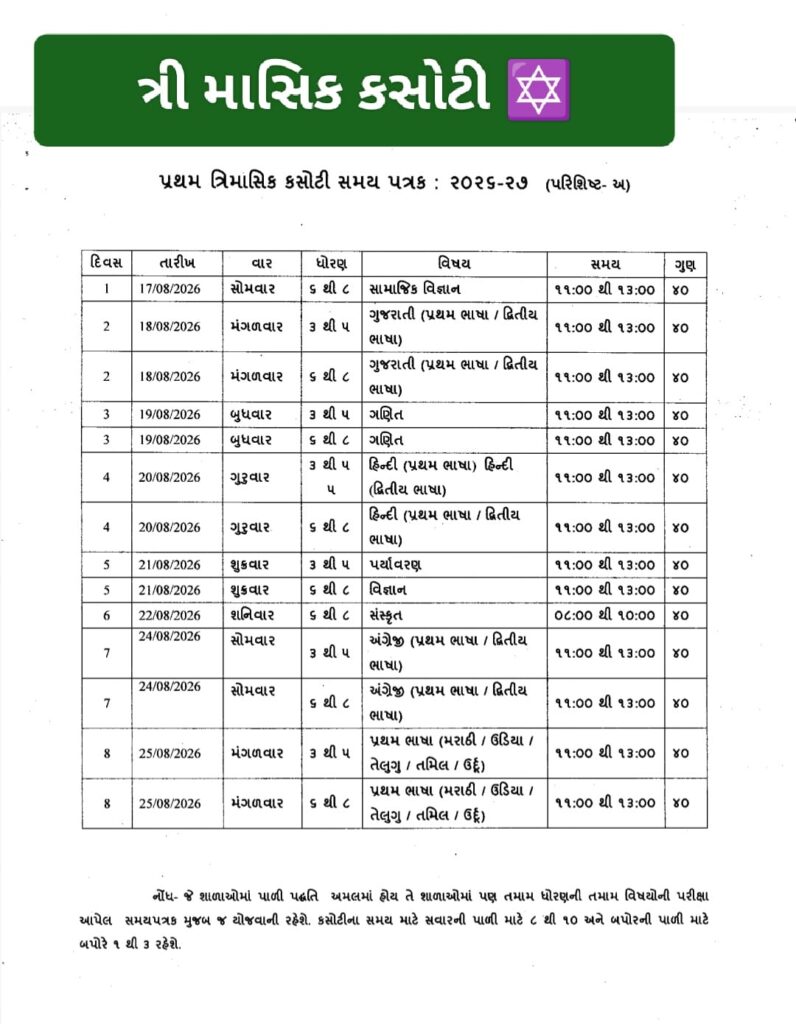
u003cstrongu003eતન્વી પટેલ એક અનુભવી કન્ટેન્ટ રાઇટર છે જેમને લેખનનો 5 વર્ષનો અનુભવ છે. તેઓ સરકારી યોજના, પરીક્ષા અને પરિણામોના ક્ષેત્રમાં નિષ્ણાત છે. બિઝનેસ ન્યૂઝ અને એજ્યુકેશન ન્યુઝ તેમના વિષયો છે. તેમના લેખો સ્પષ્ટ, સચોટ અને વાચકો માટે અત્યંત ઉપયોગી છે.u003c/strongu003e
tanvipatel2692010@gmail.com
Education Gujarati Education Gujarati is your one-stop platform for important Gujarati educational updates, exam notifications, and learning resources.
Explore the NIPUN Gujarat Mission 2026–29 FLN Educational Blueprint, learning outcomes, teaching strategies, assessments, and implementation in Gujarat schools.
The NIPUN Gujarat Mission (2026–29) is a flagship initiative launched under the National Education Policy (NEP) 2020 and NIPUN Bharat Mission to ensure that every child in Gujarat acquires Foundational Literacy and Numeracy (FLN) by the end of Grade 3. The mission focuses on enabling children to read with understanding, write confidently, and perform basic mathematical operations.
Foundational learning is the backbone of a child’s educational journey. Children who develop strong literacy and numeracy skills at an early age are more likely to succeed in higher grades and become lifelong learners. Therefore, the Educational Blueprint serves as a practical roadmap for teachers, school leaders, and education officials to plan, implement, monitor, and improve FLN activities across Gujarat.
The Educational Blueprint has several key objectives:
Ensure every child achieves grade-appropriate literacy and numeracy.
Improve classroom teaching through activity-based learning.
Promote joyful and child-centred education.
Strengthen assessment and continuous monitoring.
Involve parents and communities in children’s learning.
Reduce learning gaps through remedial support.
Improve foundational competencies before upper primary education.
What is Foundational Literacy and Numeracy (FLN)?
Foundational Literacy refers to a child’s ability to:
Read letters, words, sentences, and stories.
Understand what they read.
Express ideas through writing.
Develop listening and speaking skills.
Build vocabulary and language confidence.
Foundational Numeracy includes the ability to:
Recognize numbers.
Count objects accurately.
Compare quantities.
Perform basic addition and subtraction.
Understand patterns and measurements.
Solve everyday mathematical problems.
These competencies are expected to be achieved by every student by the completion of Grade 3.
Educational Blueprint: Key Components
Learning Outcomes
The blueprint clearly defines learning outcomes for each grade.
Students should gradually develop:
Letter and word recognition.
Sentence reading.
Reading comprehension.
Vocabulary enrichment.
Story narration.
Number recognition.
Place value understanding.
Addition and subtraction.
Multiplication readiness.
Mathematical reasoning.
Classroom Teaching Strategies
Teachers are encouraged to use innovative classroom practices such as:
Storytelling
Picture reading
Group learning
Learning corners
Activity-based worksheets
Educational games
Local teaching-learning materials
Digital learning resources
The focus is on making classrooms joyful rather than examination-oriented.
Continuous Assessment
Instead of relying only on examinations, teachers conduct:
Observation-based assessment
Classroom activities
Oral assessment
Reading fluency checks
Writing tasks
Numeracy activities
Individual learner profiles
This helps identify children needing additional support.
Inclusive Education
The blueprint ensures that:
Slow learners receive extra attention.
Children with disabilities receive inclusive support.
Learning materials are accessible.
Every child participates equally.
Teacher Capacity Building
Teachers receive continuous professional development through:
CRC and BRC training
Online learning modules
Demonstration lessons
Peer learning
School-based mentoring
Continuous training improves classroom effectiveness.
Role of Teachers
Teachers are expected to:
Prepare weekly lesson plans.
Use competency-based teaching.
Track each child’s progress.
Conduct remedial teaching.
Encourage active participation.
Maintain assessment records.
Communicate regularly with parents.
Role of School Heads
School principals and head teachers should:
Monitor classroom implementation.
Support teachers.
Organize academic meetings.
Review FLN progress.
Ensure availability of teaching-learning materials.
Promote a positive learning environment.
Role of Parents
Parents play a significant role by:
Reading with children daily.
Encouraging conversation.
Helping with simple counting activities.
Providing learning support at home.
Attending school meetings.
Monitoring homework.
A strong school-home partnership improves learning outcomes.
Learning Resources
The mission recommends:
Story books
Flash cards
Number cards
Picture charts
Activity books
Mathematics kits
Digital content
Local learning materials
Conclusion
The NIPUN Gujarat Mission (2026–29) Educational Blueprint for Foundational Literacy and Numeracy (FLN) is more than just a planning document—it is a comprehensive framework for transforming early education in Gujarat. By focusing on competency-based learning, continuous assessment, joyful classrooms, teacher empowerment, and parental involvement, the mission aims to ensure that every child builds a strong foundation for lifelong learning.
Successful implementation of this blueprint will not only improve literacy and numeracy outcomes but also contribute to the overall quality of primary education across Gujarat. Teachers, school leaders, parents, and the community all have a shared responsibility in achieving the mission’s vision of ensuring that every child learns, every child succeeds, and every child is future-ready.
સૂચના: અમારા લેખની નકલ કરતા પહેલા અમારી પરવાનગી જરૂરી છે. GUJRAT EDUAPDET .NET એ એક ખાનગી વેબસાઇટ છે અને તે કોઈપણ સરકારી સંસ્થા અથવા વિભાગનું પ્રતિનિધિત્વ કરતી નથી. અહીં અમે પ્રાથમિક શિક્ષણ ગુજરાત, શિક્ષણ ગુજરાત , ભરતી, મોબાઈલ અને ગેજેટ્સ, યોજનાઓ, સમાચાર અને ગુજરાત સરકારની વિવિધ સત્તાવાર વેબસાઈટો, અખબારો અને અન્ય વેબસાઈટો વિશેની માહિતી શેર કરીએ છીએ.
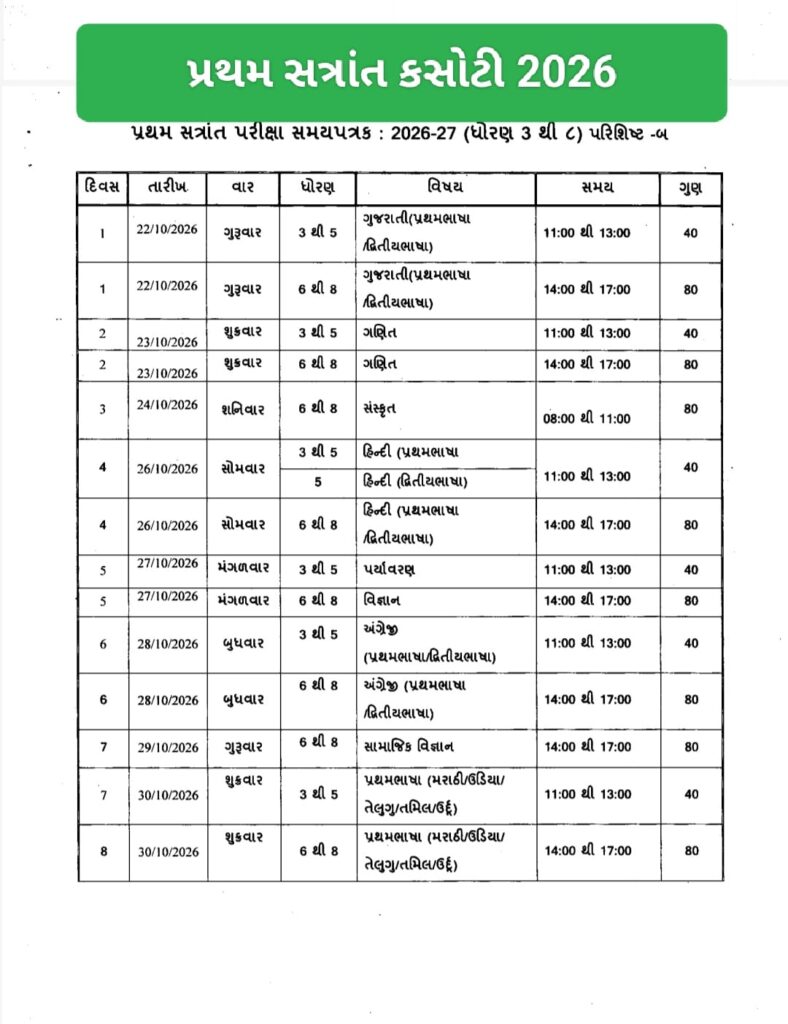
u003cstrongu003eતન્વી પટેલ એક અનુભવી કન્ટેન્ટ રાઇટર છે જેમને લેખનનો 5 વર્ષનો અનુભવ છે. તેઓ સરકારી યોજના, પરીક્ષા અને પરિણામોના ક્ષેત્રમાં નિષ્ણાત છે. બિઝનેસ ન્યૂઝ અને એજ્યુકેશન ન્યુઝ તેમના વિષયો છે. તેમના લેખો સ્પષ્ટ, સચોટ અને વાચકો માટે અત્યંત ઉપયોગી છે.u003c/strongu003e
tanvipatel2692010@gmail.com
Education Gujarati Education Gujarati is your one-stop platform for important Gujarati educational updates, exam notifications, and learning resources.
ગુણોત્સવના નવા મૂલ્યાંકન માપદંડ પ્રમાણે શિક્ષક દ્વારા કરવામાં આવતું દૈનિક આયોજન, અભ્યાસ નિષ્પત્તિ આધારિત નોંધ, વર્ગકાર્યની તૈયારી અને આચાર્ય દ્વારા થતી ચકાસણી ખૂબ જ મહત્વપૂર્ણ બની છે. શિક્ષક મિત્રો માટે આ માર્ગદર્શિકામાં સમગ્ર પ્રક્રિયા સરળ અને વ્યવહારુ ભાષામાં સમજાવવામાં આવી છે.
મુખ્ય વિષય શિક્ષક દૈનિક આયોજન
મૂલ્યાંકન આધાર નિયમિતતા અને ગુણવત્તા
ઉપયોગી માટે ગુજરાતના શિક્ષકો અને આચાર્યો
મહત્વપૂર્ણ સૂચના: ગુણોત્સવના નવા ફોર્મેટમાં માત્ર રોજનીશી લખેલી હોવી પૂરતી નથી. દૈનિક આયોજનમાં અભ્યાસ નિષ્પત્તિ, શૈક્ષણિક પ્રવૃત્તિ, જરૂરી અધ્યયન સામગ્રી, વિદ્યાર્થી અનુકાર્ય અને મૂલ્યાંકનની નોંધ વ્યવસ્થિત રીતે કરવામાં આવી છે કે નહીં, તેના આધારે પણ મૂલ્યાંકન થઈ શકે છે.
ગુણોત્સવના નવા ફોર્મેટનો મુખ્ય ઉદ્દેશ શું છે?
ગુણોત્સવ શાળા શિક્ષણની ગુણવત્તા, વિદ્યાર્થીઓની શૈક્ષણિક પ્રગતિ, વર્ગખંડ પ્રક્રિયા અને શાળા વ્યવસ્થાપનનું મૂલ્યાંકન કરવાની એક મહત્વપૂર્ણ પ્રક્રિયા છે. નવા મૂલ્યાંકન ફોર્મેટમાં શિક્ષકના રોજિંદા શૈક્ષણિક કાર્યને વધુ વ્યવસ્થિત, પરિણામલક્ષી અને વિદ્યાર્થીકેન્દ્રિત બનાવવાનો પ્રયાસ જોવા મળે છે.
શિક્ષક દ્વારા દૈનિક ધોરણે કરવામાં આવતું lesson planning, teacher diary, classroom preparation, learning outcome documentation અને શૈક્ષણિક પ્રગતિનું રેકોર્ડિંગ હવે માત્ર કાગળની કાર્યવાહી તરીકે ન જોવું જોઈએ. તે શિક્ષણ પ્રક્રિયાની ગુણવત્તા દર્શાવતું મહત્વપૂર્ણ દસ્તાવેજ બની શકે છે.
આપવામાં આવેલી માહિતી પ્રમાણે મૂલ્યાંકનમાં ખાસ કરીને ત્રણ બાબતો પર ધ્યાન આપવામાં આવી શકે છે:
શિક્ષકો દ્વારા દૈનિક આયોજનપોથીમાં નિયમિત નોંધ કરવામાં આવે છે કે નહીં.
અભ્યાસ નિષ્પત્તિ, અધ્યયન-અધ્યાપન પ્રવૃત્તિ અને જરૂરી સામગ્રીની નોંધ છે કે નહીં.
આચાર્ય અથવા સુપરવાઇઝર દ્વારા દૈનિક આયોજનની નિયમિત ચકાસણી થાય છે કે નહીં.
શિક્ષક રોજનીશી એવી રીતે તૈયાર કરવી જોઈએ કે કોઈ પણ નિરીક્ષક તેને જોઈને સમજી શકે કે આજે કયો વિષય, કયો એકમ, કઈ અભ્યાસ નિષ્પત્તિ અને કઈ શૈક્ષણિક પદ્ધતિ દ્વારા ભણાવવામાં આવી છે.
શિક્ષક દૈનિક આયોજન અને રોજનીશીનું મહત્વ
દૈનિક આયોજન શિક્ષક માટે માત્ર ફરજિયાત રજીસ્ટર નથી. સારું આયોજન શિક્ષકને વર્ગખંડમાં યોગ્ય સમય વ્યવસ્થાપન, વિષયવસ્તુની સ્પષ્ટતા, વિદ્યાર્થીની ભાગીદારી અને અસરકારક મૂલ્યાંકન કરવામાં મદદ કરે છે.
એક વ્યવસ્થિત teacher daily lesson planમાં સામાન્ય રીતે તારીખ, ધોરણ, વિષય, પાઠ અથવા એકમ, અભ્યાસ નિષ્પત્તિ, શિક્ષણ પદ્ધતિ, શિક્ષણ સામગ્રી, પ્રવૃત્તિ, વિદ્યાર્થી કાર્ય અને અનુકાર્ય જેવી વિગતો સામેલ કરી શકાય છે.
રોજનીશીમાં કઈ માહિતી લખવી?
તારીખ, ધોરણ અને વિષયનું નામ.
પાઠ, પ્રકરણ અથવા એકમનું નામ.
આજના શિક્ષણ માટે પસંદ કરેલી અભ્યાસ નિષ્પત્તિ.
પૂર્વજ્ઞાન ચકાસવા માટે પૂછવામાં આવનારા પ્રશ્નો.
વર્ગમાં કરાવવાની મુખ્ય અધ્યયન-અધ્યાપન પ્રવૃત્તિ.
જરૂરી TLM, ચાર્ટ, ચિત્ર, પુસ્તક અથવા ડિજિટલ સામગ્રી.
વિદ્યાર્થીઓને આપવામાં આવતું વર્ગકાર્ય.
મૌખિક, લેખિત અથવા પ્રવૃત્તિ આધારિત મૂલ્યાંકન.
નબળા અને તેજસ્વી વિદ્યાર્થીઓ માટે અલગ સહાય.
ગૃહકાર્ય, અનુકાર્ય અથવા આગામી પાઠની તૈયારી.
રોજનીશી કેવી રીતે રાખવી?
શિક્ષકે રોજનીશીમાં ખૂબ જ લાંબું અને અસ્પષ્ટ લખાણ લખવાની જરૂર નથી. ટૂંકા, સ્પષ્ટ અને કાર્યલક્ષી વાક્યો લખવાથી આયોજન વાંચવામાં સરળ રહે છે. એક જ પ્રકારનું લખાણ દરરોજ નકલ કરવાને બદલે તે દિવસની વાસ્તવિક વર્ગખંડ પ્રવૃત્તિનો ઉલ્લેખ કરવો વધુ ઉપયોગી છે.
ઉદાહરણ તરીકે, “પાઠ સમજાવ્યો” લખવાને બદલે નીચે મુજબ લખી શકાય:
વિદ્યાર્થીઓને ચિત્ર દ્વારા વિષયનો પરિચય આપવામાં આવ્યો. જૂથ પ્રવૃત્તિ દ્વારા મુખ્ય મુદ્દાઓ ઓળખાવવામાં આવ્યા. અંતે મૌખિક પ્રશ્નોત્તરી અને કાર્યપત્રક દ્વારા અભ્યાસ નિષ્પત્તિની ચકાસણી કરવામાં આવી.
ગુણોત્સવમાં 50%થી 100% સુધીનું મૂલ્યાંકન કેવી રીતે થશે?
ઉપલબ્ધ ફોર્મેટ અનુસાર શિક્ષકો દ્વારા દૈનિક આયોજનપોથીમાં કરવામાં આવતી નિયમિત નોંધના પ્રમાણના આધારે અલગ-અલગ સ્તરે મૂલ્યાંકન થઈ શકે છે. નીચે આપેલું સરળ વિશ્લેષણ શિક્ષકોને પોતાની તૈયારી સમજવામાં મદદ કરશે.
50% કે તેથી ઓછા શિક્ષકો પ્રારંભિક અથવા નબળી નિયમિતતા
જો શાળાના 50% કે તેથી ઓછા શિક્ષકો દ્વારા દૈનિક આયોજનપોથીમાં નિયમિત નોંધ કરવામાં આવે, તો તે આયોજન પ્રક્રિયામાં નબળી નિયમિતતા દર્શાવી શકે છે.
51%થી 70% અમુક શિક્ષકો દ્વારા નિયમિત નોંધ
શાળાના 51%થી 70% શિક્ષકો નિયમિત રીતે દૈનિક આયોજન લખતા હોય, તો મધ્યમ સ્તરની કામગીરી તરીકે તેની નોંધ થઈ શકે છે.
71%થી 90% મોટાભાગના શિક્ષકોની નિયમિતતા
મોટાભાગના શિક્ષકો દ્વારા આયોજનપોથી નિયમિત રીતે તૈયાર કરવામાં આવતી હોય, તો શાળાની શૈક્ષણિક તૈયારી સારી હોવાનું દર્શાવે છે.
91%થી 100% લગભગ તમામ શિક્ષકોની ઉત્તમ કામગીરી
તમામ અથવા લગભગ તમામ શિક્ષકો દ્વારા સંપૂર્ણ અને નિયમિત દૈનિક આયોજન કરવામાં આવે, તો ઉચ્ચ સ્તરની કામગીરી ગણાઈ શકે છે.
માત્ર રોજનીશીની સંખ્યા નહીં, ગુણવત્તા પણ મહત્વપૂર્ણ
દૈનિક આયોજન કેટલી વાર લખવામાં આવ્યું છે તે મહત્વનું છે, પરંતુ સાથે તેમાં નોંધવામાં આવેલી વિગતો પણ ઉપયોગી અને શૈક્ષણિક રીતે યોગ્ય હોવી જોઈએ. અભ્યાસ નિષ્પત્તિ, વિષયવસ્તુ, પ્રવૃત્તિ, સામગ્રી અને મૂલ્યાંકન વચ્ચે સ્પષ્ટ સંબંધ જોવા મળવો જોઈએ.
મૂલ્યાંકન ક્ષેત્ર
શું તપાસવામાં આવી શકે?
શિક્ષકે શું તૈયારી રાખવી?
દૈનિક આયોજનની નિયમિતતા
દરરોજ આયોજનપોથીમાં નોંધ છે કે નહીં
બાકી રહેલી નોંધ સમયસર પૂર્ણ કરવી
અભ્યાસ નિષ્પત્તિ
પાઠ સાથે સંબંધિત નિષ્પત્તિ દર્શાવવામાં આવી છે કે નહીં
વિષય અને ધોરણ પ્રમાણે યોગ્ય નિષ્પત્તિ પસંદ કરવી
અધ્યયન પ્રવૃત્તિ
વિદ્યાર્થીકેન્દ્રિત પ્રવૃત્તિનો સમાવેશ છે કે નહીં
જૂથકાર્ય, પ્રશ્નોત્તરી અને પ્રયોગ આધારિત આયોજન કરવું
શૈક્ષણિક સામગ્રી
TLM અથવા ઉપયોગી સામગ્રીનો ઉલ્લેખ છે કે નહીં
ચાર્ટ, ચિત્ર, કાર્યપત્રક અથવા ડિજિટલ સામગ્રી તૈયાર રાખવી
મૂલ્યાંકન
વિદ્યાર્થીએ શીખ્યું કે નહીં તેની ચકાસણી થાય છે કે નહીં
મૌખિક, લેખિત અને પ્રવૃત્તિ આધારિત પ્રશ્નો તૈયાર રાખવા
અભ્યાસ નિષ્પત્તિ આધારિત દૈનિક આયોજન કેવી રીતે બનાવવું?
અભ્યાસ નિષ્પત્તિ એટલે પાઠ પૂર્ણ થયા પછી વિદ્યાર્થી શું જાણશે, શું સમજશે અથવા શું કરી શકશે તેની સ્પષ્ટ અપેક્ષા. ગુણવત્તાયુક્ત દૈનિક આયોજનમાં માત્ર પાઠનું નામ નહીં પરંતુ વિદ્યાર્થીને મળનાર શૈક્ષણિક પરિણામ પણ દર્શાવવું જરૂરી છે.
આયોજન બનાવવાની સરળ પાંચ પગથિયાની રીત
1. પાઠ અને અભ્યાસ નિષ્પત્તિ પસંદ કરો
આજના પાઠમાં વિદ્યાર્થીઓએ કયું જ્ઞાન, કૌશલ્ય અથવા સમજ વિકસાવવાની છે, તે પ્રથમ નક્કી કરો.
2. વિદ્યાર્થીનું પૂર્વજ્ઞાન ઓળખો
વિષયની શરૂઆત પહેલાં બે કે ત્રણ સરળ પ્રશ્નો દ્વારા વિદ્યાર્થીઓને અગાઉની માહિતી યાદ કરાવો.
3. યોગ્ય શિક્ષણ પ્રવૃત્તિ પસંદ કરો
માત્ર વ્યાખ્યાન આપવાને બદલે ચિત્ર, વાર્તા, પ્રયોગ, ચર્ચા, જૂથકાર્ય અથવા રમત આધારિત પ્રવૃત્તિનો ઉપયોગ કરો.
4. જરૂરી શૈક્ષણિક સામગ્રી તૈયાર કરો
ચાર્ટ, ફ્લેશકાર્ડ, કાર્યપત્રક, નકશો, મોડેલ, ગણિત કીટ અથવા ઉપલબ્ધ ડિજિટલ લર્નિંગ સામગ્રી પહેલેથી તૈયાર રાખો.
5. અંતિમ મૂલ્યાંકન કરો
પાઠ પૂર્ણ થયા પછી પ્રશ્નોત્તરી, નાની કસોટી, પ્રવૃત્તિ, વાંચન, લેખન અથવા પ્રદર્શન દ્વારા વિદ્યાર્થીએ અભ્યાસ નિષ્પત્તિ મેળવી છે કે નહીં તે તપાસો.
આચાર્ય અથવા સુપરવાઇઝર દ્વારા દૈનિક આયોજનની ચકાસણી
ઉપલબ્ધ ફોર્મેટમાં આચાર્ય અથવા સુપરવાઇઝર દ્વારા શિક્ષકોની દૈનિક આયોજનપોથીની ચકાસણીને પણ મહત્વ આપવામાં આવ્યું છે. માત્ર શિક્ષકે રોજનીશી લખવી પૂરતી નથી; શાળા સ્તરે તેનું યોગ્ય મોનિટરિંગ થાય તે પણ જરૂરી છે.
ચકાસણી અનિયમિત હોય
જો આચાર્ય દ્વારા આયોજનપોથીની ચકાસણીમાં નિયમિતતા જોવા ન મળે અને શિક્ષકોને જરૂરી પ્રતિભાવ આપવામાં ન આવે, તો શૈક્ષણિક દેખરેખ નબળી ગણાઈ શકે છે.
ચકાસણી નિયમિત હોય
જો તમામ શિક્ષકોની આયોજનપોથી નિયમિત રીતે ચકાસવામાં આવે અને જરૂરી સૂચન તથા પ્રતિભાવ આપવામાં આવે, તો અસરકારક શૈક્ષણિક સુપરવિઝન દર્શાવે છે.
આચાર્યએ કઈ બાબતોનું ધ્યાન રાખવું?
શિક્ષકોની આયોજનપોથી સમયાંતરે ચકાસવી.
માત્ર સહી નહીં પરંતુ જરૂરી માર્ગદર્શન આપવું.
અભ્યાસ નિષ્પત્તિ અને પ્રવૃત્તિ વચ્ચે સુસંગતતા જોવી.
નબળા વિદ્યાર્થીઓ માટે ઉપચારાત્મક શિક્ષણનું આયોજન છે કે નહીં તે તપાસવું.
વર્ગખંડ નિરીક્ષણ અને રોજનીશીની નોંધ વચ્ચે સમાનતા જોવી.
સારા આયોજન માટે શિક્ષકોને પ્રોત્સાહન અને રચનાત્મક પ્રતિભાવ આપવો.
ગુણોત્સવ પહેલાં શિક્ષકો માટે સંપૂર્ણ Checklist
દૈનિક આયોજનપોથીની તમામ તારીખોની નોંધ તપાસો.
દરેક પાઠ સાથે યોગ્ય અભ્યાસ નિષ્પત્તિ લખેલી છે કે નહીં તે જુઓ.
અધ્યયન-અધ્યાપન પ્રવૃત્તિ સ્પષ્ટ રીતે દર્શાવો.
વિદ્યાર્થી માટે જરૂરી વર્ગકાર્ય અને કાર્યપત્રક તૈયાર રાખો.
ઉપયોગમાં લેવાતી શિક્ષણ સામગ્રીની નોંધ કરો.
વિદ્યાર્થીના મૂલ્યાંકન માટે પ્રશ્નો અથવા પ્રવૃત્તિ રાખો.
નબળા વિદ્યાર્થીઓ માટે remedial teaching plan તૈયાર રાખો.
તેજસ્વી વિદ્યાર્થીઓ માટે enrichment activityનો સમાવેશ કરો.
આચાર્યની નિયમિત ચકાસણી અને જરૂરી સહી પૂર્ણ કરાવો.
રોજનીશીની નોંધ અને વર્ગખંડમાં કરાવેલી પ્રવૃત્તિ વચ્ચે સુસંગતતા રાખો.
અપૂર્ણ, ખાલી અથવા એકસરખી નકલ કરેલી નોંધને સુધારો.
વિદ્યાર્થીઓની નોટબુક અને વર્ગકાર્યની નિયમિત તપાસ કરો.
છેલ્લી ઘડીએ એકસાથે રોજનીશી પૂર્ણ કરવાને બદલે દરરોજ પાઠ પૂર્ણ થયા પછી જરૂરી સુધારા સાથે આયોજન અપડેટ કરવું સૌથી યોગ્ય છે.
ગુણોત્સવ મુલ્યાંકન દરમિયાન કયા દસ્તાવેજ ના કેટલા માર્ક મળશે..?
ગુણોત્સવ નવા ફોર્મેટનો Official Letter Download
ગુણોત્સવના નવા મૂલ્યાંકન ફોર્મેટ, શિક્ષક દૈનિક આયોજન અને વર્ગકાર્ય તૈયારી સંબંધિત આપવામાં આવેલ લેટર નીચેની લિંક પરથી જોઈ અથવા ડાઉનલોડ કરી શકાય છે.
ગુણોત્સવના નવા ફોર્મેટમાં દૈનિક આયોજન ફરજિયાત છે?What is FAQ?
ઉપલબ્ધ મૂલ્યાંકન માહિતી પ્રમાણે શિક્ષકો દ્વારા દૈનિક આયોજનપોથીમાં નિયમિત નોંધ અને તેની ગુણવત્તાને મહત્વ આપવામાં આવ્યું છે. શિક્ષકે પોતાની શાળા અને વિભાગ દ્વારા આપવામાં આવેલી સત્તાવાર સૂચનાઓનું પાલન કરવું.
શિક્ષક રોજનીશીમાં શું લખવું જોઈએ?
તારીખ, ધોરણ, વિષય, પાઠ, અભ્યાસ નિષ્પત્તિ, અધ્યયન પ્રવૃત્તિ, શિક્ષણ સામગ્રી, વર્ગકાર્ય, મૂલ્યાંકન અને અનુકાર્ય જેવી ઉપયોગી વિગતો લખી શકાય.
91%થી 100%નો માપદંડ શું દર્શાવે છે?
શાળાના લગભગ તમામ શિક્ષકો દ્વારા દૈનિક આયોજનપોથીમાં નિયમિત અને વ્યવસ્થિત નોંધ કરવામાં આવતી હોય તે ઉચ્ચ સ્તરની કામગીરી દર્શાવે છે.
આચાર્ય દ્વારા રોજનીશીની ચકાસણી જરૂરી છે?
હા, ઉપલબ્ધ ફોર્મેટમાં આચાર્ય અથવા સુપરવાઇઝર દ્વારા આયોજનપોથીની નિયમિત ચકાસણી અને શિક્ષકોને જરૂરી પ્રતિભાવ આપવાની બાબતને મહત્વ આપવામાં આવ્યું છે.
Official Letter ક્યાંથી Download કરી શકાય?
આ લેખમાં આપવામાં આવેલી Google Drive લિંક પરથી ગુણોત્સવના નવા ફોર્મેટ સંબંધિત લેટર જોઈ અથવા ડાઉનલોડ કરી શકાય છે.
What is FAQ?
Lorem ipsum dolor sit amet, consectetur adipiscing elit, sed do eiusmod tempor incididunt ut labore et dolore magna aliqua. Ut enim ad minim veniam, quis nostrud exercitation ullamco laboris nisi ut aliquip ex ea commodo consequat.
ગુણોત્સવના નવા મૂલ્યાંકન ફોર્મેટને ધ્યાનમાં રાખીને શિક્ષકોએ દૈનિક આયોજન, અભ્યાસ નિષ્પત્તિ આધારિત શિક્ષણ, વર્ગકાર્ય તૈયારી અને વિદ્યાર્થી મૂલ્યાંકનની નોંધ નિયમિત રીતે રાખવી જરૂરી છે.
આયોજન માત્ર તપાસ માટે તૈયાર કરવામાં આવતું દસ્તાવેજ ન રહે પરંતુ શિક્ષકને વધુ અસરકારક શિક્ષણ આપવામાં મદદરૂપ બને તે રીતે તૈયાર કરવું જોઈએ. નિયમિત આયોજન, યોગ્ય શૈક્ષણિક સામગ્રી, વિદ્યાર્થીકેન્દ્રિત પ્રવૃત્તિ અને આચાર્ય દ્વારા રચનાત્મક પ્રતિભાવ શાળાની શિક્ષણ ગુણવત્તામાં વાસ્તવિક સુધારો લાવી શકે છે.
શિક્ષક મિત્રો ગુણોત્સવ પહેલાં પોતાની રોજનીશી, વર્ગકાર્ય, અભ્યાસ નિષ્પત્તિ અને જરૂરી શૈક્ષણિક રેકોર્ડની એકવાર સંપૂર્ણ ચકાસણી જરૂર કરે.
Disclaimer: આ લેખ શિક્ષકોને સરળ સમજ અને શૈક્ષણિક માર્ગદર્શન આપવા માટે તૈયાર કરવામાં આવ્યો છે. સત્તાવાર નિયમો, તારીખો અથવા મૂલ્યાંકન પ્રક્રિયામાં ફેરફાર થઈ શકે છે. અંતિમ નિર્ણય માટે સંબંધિત શિક્ષણ વિભાગ, શાળા કચેરી અથવા સત્તાવાર પરિપત્રને પ્રાથમિકતા આપો.
સૂચના: અમારા લેખની નકલ કરતા પહેલા અમારી પરવાનગી જરૂરી છે. GUJRAT EDUAPDET .NET એ એક ખાનગી વેબસાઇટ છે અને તે કોઈપણ સરકારી સંસ્થા અથવા વિભાગનું પ્રતિનિધિત્વ કરતી નથી. અહીં અમે પ્રાથમિક શિક્ષણ ગુજરાત, શિક્ષણ ગુજરાત , ભરતી, મોબાઈલ અને ગેજેટ્સ, યોજનાઓ, સમાચાર અને ગુજરાત સરકારની વિવિધ સત્તાવાર વેબસાઈટો, અખબારો અને અન્ય વેબસાઈટો વિશેની માહિતી શેર કરીએ છીએ.
u003cstrongu003eતન્વી પટેલ એક અનુભવી કન્ટેન્ટ રાઇટર છે જેમને લેખનનો 5 વર્ષનો અનુભવ છે. તેઓ સરકારી યોજના, પરીક્ષા અને પરિણામોના ક્ષેત્રમાં નિષ્ણાત છે. બિઝનેસ ન્યૂઝ અને એજ્યુકેશન ન્યુઝ તેમના વિષયો છે. તેમના લેખો સ્પષ્ટ, સચોટ અને વાચકો માટે અત્યંત ઉપયોગી છે.u003c/strongu003e